How to Waterproof the Deck You Are Building
Are you building a deck in the rainy Seattle area? Are you concerned that wet weather will shorten your deck’s lifespan? Don’t worry — Olympic Decks, your expert Seattle deck builders, has compiled this essential guide on how to waterproof a deck. Follow these steps to ensure your deck lasts for decades and stands strong against the elements.
Why is Deck Waterproofing Important?
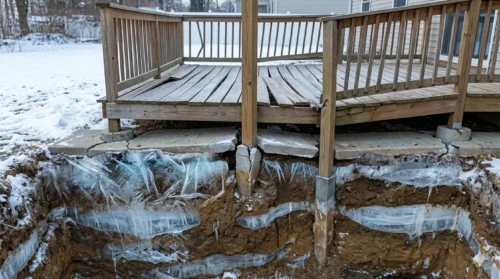
Waterproofing is a non-negotiable step for any deck, especially in climates like Seattle’s, where it’s rainy and wet most of the year. Here’s why taking this step is essential:
- Protection Against Rot, Mold, and Mildew: Waterproofing seals the wood, guarding against moisture that can lead to rot, mold, and mildew. This is vital for maintaining the wood’s health and ensuring it remains strong and intact.
- Extended Deck Lifespan: Waterproofing a deck extends its life by preventing water damage. This means your investment will endure, providing enjoyment for years to come without the need for frequent repairs or replacements.
- Preservation of Appearance and Structural Integrity: Waterproofing helps keep your deck looking new by preventing the discoloration and warping that moisture can cause. It also maintains the deck’s structural integrity, ensuring it remains safe and functional.
Types of Deck Waterproofing Materials
Choosing the right waterproofing materials can help you protect your deck from moisture and prolong its lifespan. Here are the main options:
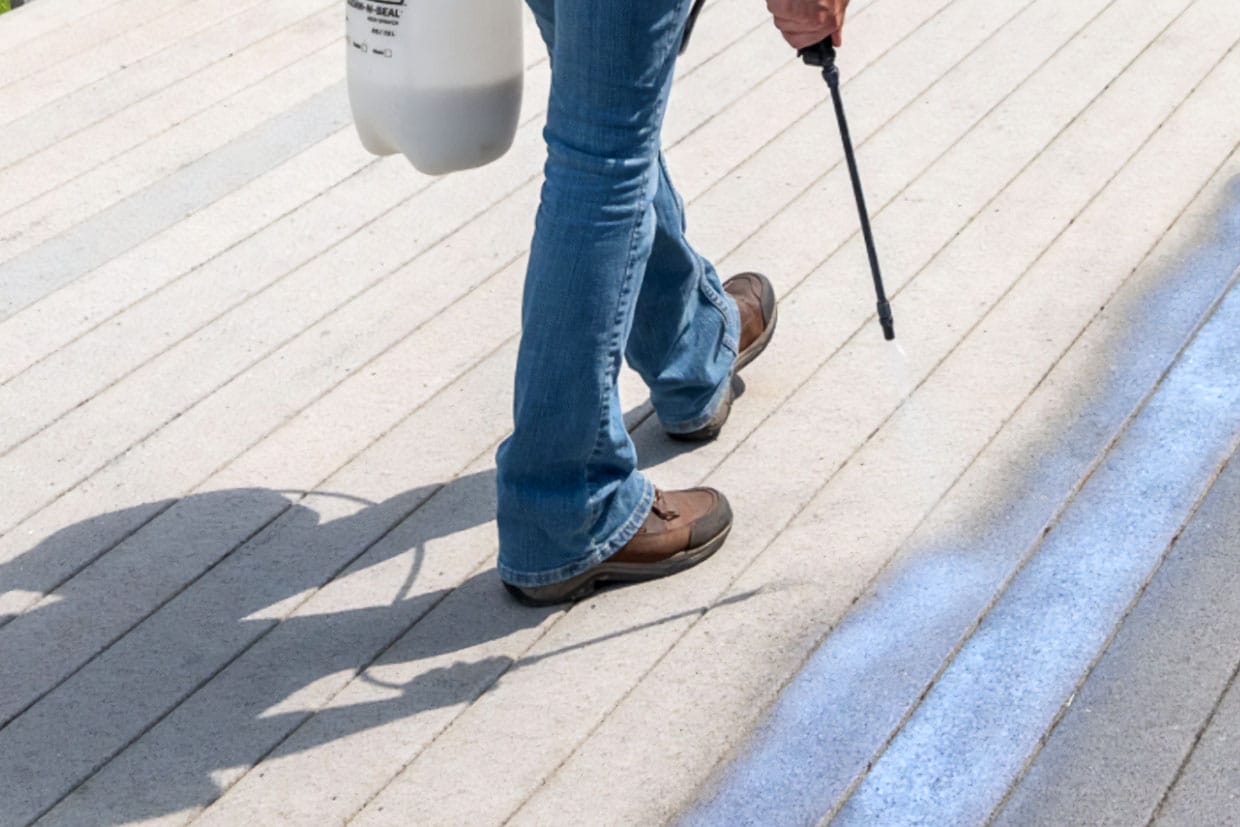
- Sealants: Sealants are applied to the surface of the substrate, forming a protective layer that repels water. They are easy to apply and can be clear or tinted, depending on your preference. Regular reapplication is necessary to maintain their effectiveness.
- Waterproof Membranes: These are sheets of material, usually vinyl or rubber, laid over the deck surface to prevent water penetration. Waterproof membranes are highly effective, providing a continuous barrier against moisture. They are ideal for balconies, patios, and flat deck areas.
- Special Waterproof Coatings: These are thicker than sealants and often contain elastomeric properties that allow them to expand and contract with the wood, preventing cracks and splits. These coatings are ideal for decks exposed to severe weather conditions or intense heat.
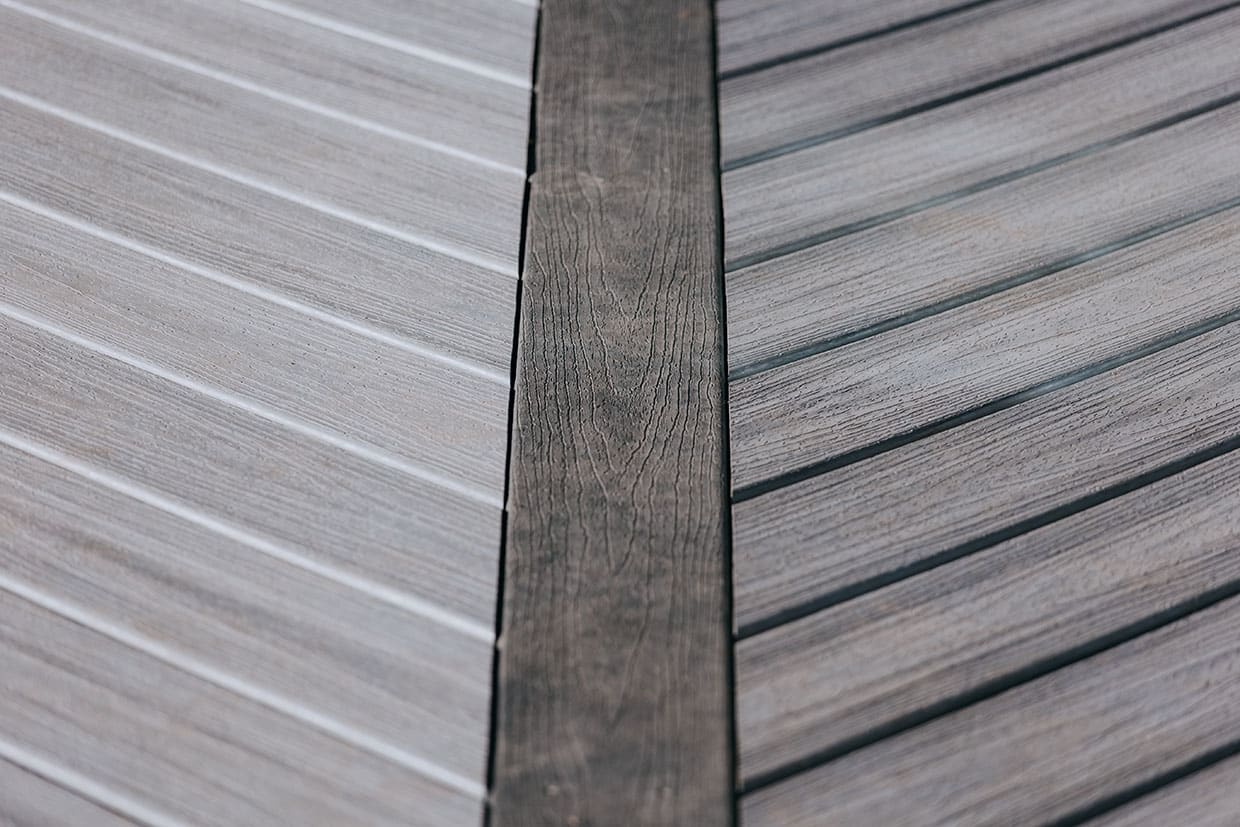
- Waterproof Decking: Unlike traditional wood, composite and PVC decking materials are naturally waterproof. These materials do not require the same level of maintenance as wood and are designed to resist rot, mold, and mildew without the need for additional waterproofing.
Each of these materials offers different benefits, and your choice will depend on your deck’s specific needs and maintenance preferences. Proper deck waterproofing is key to a long-lasting deck, whether you build a traditional wood deck with a protective sealant or a low-maintenance composite deck.

Understanding Your Deck Frame and Substructure
Before you begin waterproofing, it’s crucial to take a close look at your deck frame and deck substructure. These hidden yet vital components form the backbone of your entire deck system, supporting the weight of the boards, furniture, and foot traffic above. A well-constructed frame not only enhances safety but also ensures that your waterproofing efforts are effective for years to come.
Start by examining all framing elements, including beams, joists, and posts, for any signs of moisture damage, rot, or weakness. If your deck substructure isn’t properly sealed or has accumulated debris and trapped moisture, it can lead to early deterioration — even if the surface boards appear intact.
To protect your investment, consider applying flashing tape or waterproof membranes directly over the top of joists and beams before installing the decking boards. This simple step prevents water from seeping into screw holes and joints, extending the life of the wood beneath. Additionally, proper ventilation around the deck frame helps moisture escape, minimizing the risk of mold growth and corrosion over time.
By reinforcing and waterproofing your substructure from the start, you create a strong, stable foundation that resists Seattle’s constant rain and humidity — keeping your deck safe, beautiful, and long-lasting.
3 Mistakes to Avoid When Waterproofing Deck Systems
Waterproofing your deck may seem straightforward, but certain missteps during the waterproofing process can lead to problems down the line. Here’s what to watch out for and how to correct these common errors:
1. Using the Wrong Materials
Selecting inappropriate deck waterproofing materials can significantly undermine your deck’s defense against moisture. For example, using a sealant that isn’t formulated for outdoor use or isn’t suited for your specific deck material can result in inadequate protection.
How to Fix It: Always choose a waterproofing product specifically designed for outdoor decks and suitable for your deck’s material, whether wood, composite, or PVC.
2. Improper Application
Applying waterproofing treatments incorrectly can leave your deck vulnerable to the elements. Common application errors include uneven coverage or failure to prepare the surface properly before application.
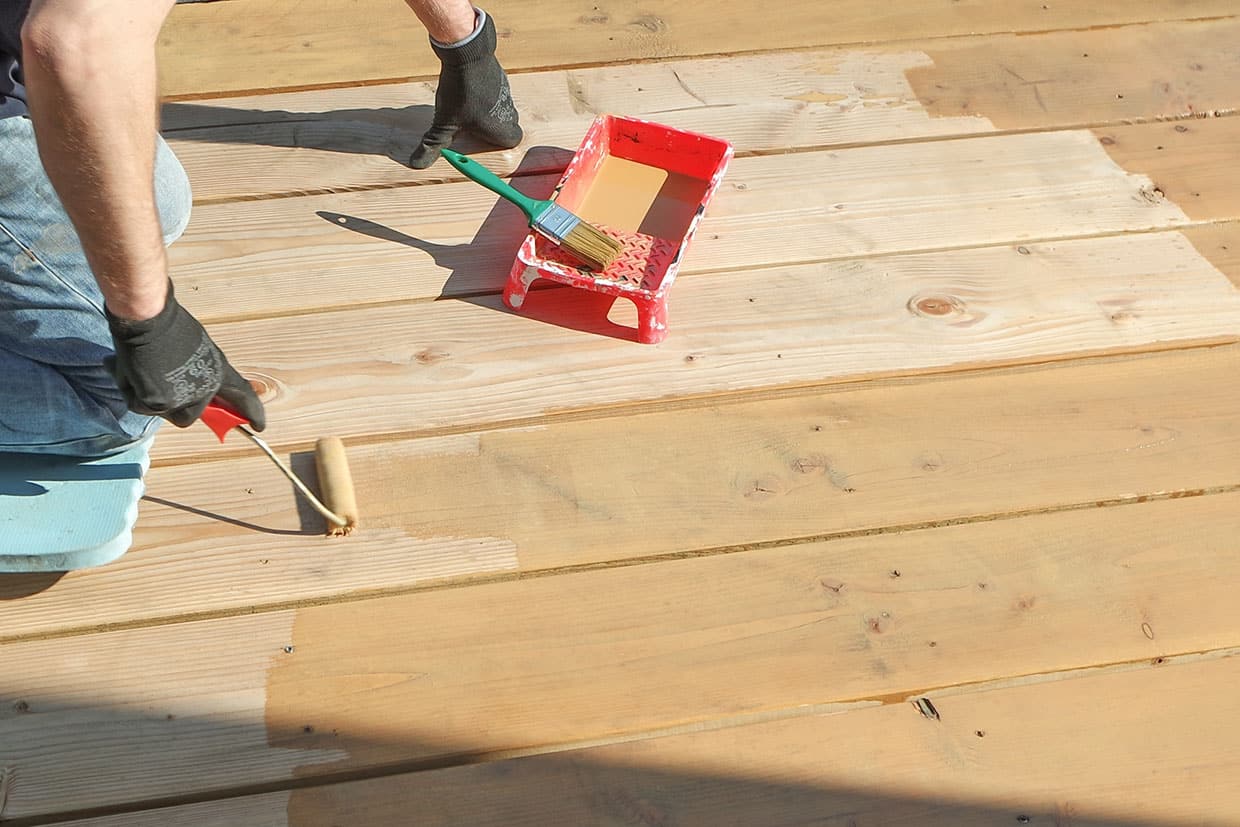
How to Fix It: Thoroughly clean and dry your deck before applying waterproofing. Follow the product instructions carefully to ensure even and complete coverage. Use tools appropriate for the application, such as brushes or rollers, to reach all areas of the deck, including around joists, beams, and hidden corners.
3. Skipping Coats
It might be tempting to save time or materials by applying fewer coats than recommended, but this can significantly weaken the waterproof barrier.
How to Fix It: Adhere strictly to the manufacturer’s guidelines regarding the number of coats of waterproof sealant needed. Multiple thin coats are usually more effective than a single thick coat, as they allow for better absorption and more durability.
By avoiding these common mistakes and correcting any missteps promptly, you can effectively waterproof your deck, preventing damage and avoiding costly future repairs.
Maintenance Tips After Waterproofing Your Outdoor Space
Once your deck is waterproofed, regular maintenance can keep it in optimal condition. Keep in mind that waterproofing decks is not a one-time event but an ongoing commitment to protecting your outdoor investment. Here are Olympic Decks’ simple deck maintenance tips to help your deck stay strong against even the wettest weather:
- Regular Cleaning: Sweep the deck regularly to remove dirt and debris. Wash the deck with a mild soap and water solution to prevent buildup.
- Reapplying the Sealant: Check the manufacturer’s guidelines for how often to reapply the sealant. Typically, reapplication is needed every 2-3 years, depending on weather conditions and deck usage.
- Periodic Inspections: Inspect your deck at least twice a year for any signs of wear or damage. Look for cracks, splits, or discoloration in the decking material.
Regularly waterproof the deck with stains and sealants to protect wood from rain and weathering, and make sure every install follows the correct preparation and installation steps for maximum performance.
Building a Deck that Lasts with Olympic Decks
While implementing deck waterproofing techniques can help you keep your deck strong in Seattle’s rainy climate, choosing the right type of deck can eliminate much of the hassle associated with ongoing maintenance.
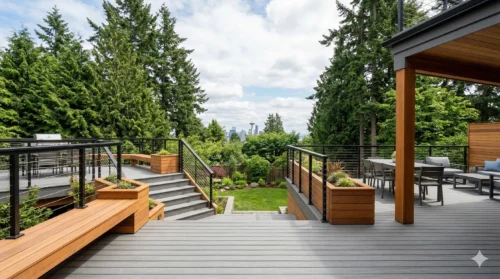
At Olympic Decks, we specialize in building high-quality composite and PVC decks that inherently resist weathering, decay, mold, and mildew without the frequent need for waterproofing treatments. Our waterproofed decks are designed to provide long-lasting beauty and functionality, tailored to match your home’s aesthetic and lifestyle needs perfectly. With hundreds of design options and a wide selection of materials, we make sure your deck perfectly fits your home’s architecture and outdoor layout.
We also work closely with trusted contractors to ensure every project — residential or commercial — meets top industry standards. Whether your deck is fully covered or open-air, our experienced professionals ensure that every design addition and size consideration is built with both structure and technical support in mind. Our reliable network of specialists will help you run your project smoothly, giving you confidence from start to finish.
We know that homeowners want a waterproof deck they can feel proud of — one that enhances outdoor living while offering peace of mind and lasting protection. Contact us today to discuss your project and see how we can bring your vision to life with a deck that’s as practical as it is beautiful.

Olympic Decks is your Seattle area Deck Company, We specialize in all your Decking needs – new deck installation, deck resurfacing, louvered roof and cedar wood fence installation.