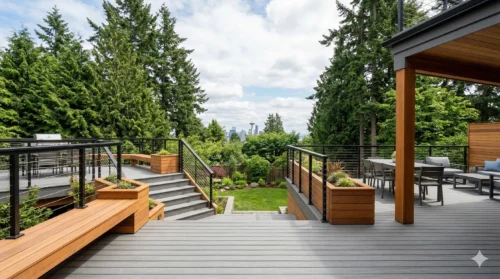
Expert guide from Olympic Decks: master Floating Deck Foundations and Building Deck Foundations for Seattle’s challenging wind conditions
Living in the Pacific Northwest means dealing with Mother Nature’s moods, and if you’re planning to anchor a freestanding deck in Seattle, you know what we’re talking about. With average wind speeds of 8.8 mph year-round and frequent winter storms that can push gusts much higher, proper anchoring isn’t just recommended – it’s absolutely critical for safety and code compliance. Floating decks are susceptible to uplift unless they are anchored properly. A floating deck foundation is basically a simple system of supports – often a mix of gravel, sand, and concrete blocks that sits on the ground to provide stability without the need for deep footings.
That’s why many Seattle homeowners turn to professional deck builders who understand local codes and weather challenges – because a freestanding deck with a roof or custom foundation isn’t just another DIY project, it’s an investment in safety and long-term durability.
Bottom line up front: successfully anchoring a freestanding deck in Seattle requires proper foundation planning, code-compliant post installation, and wind-resistant construction techniques that account for our unique marine climate and seismic conditions.
Introduction to deck construction
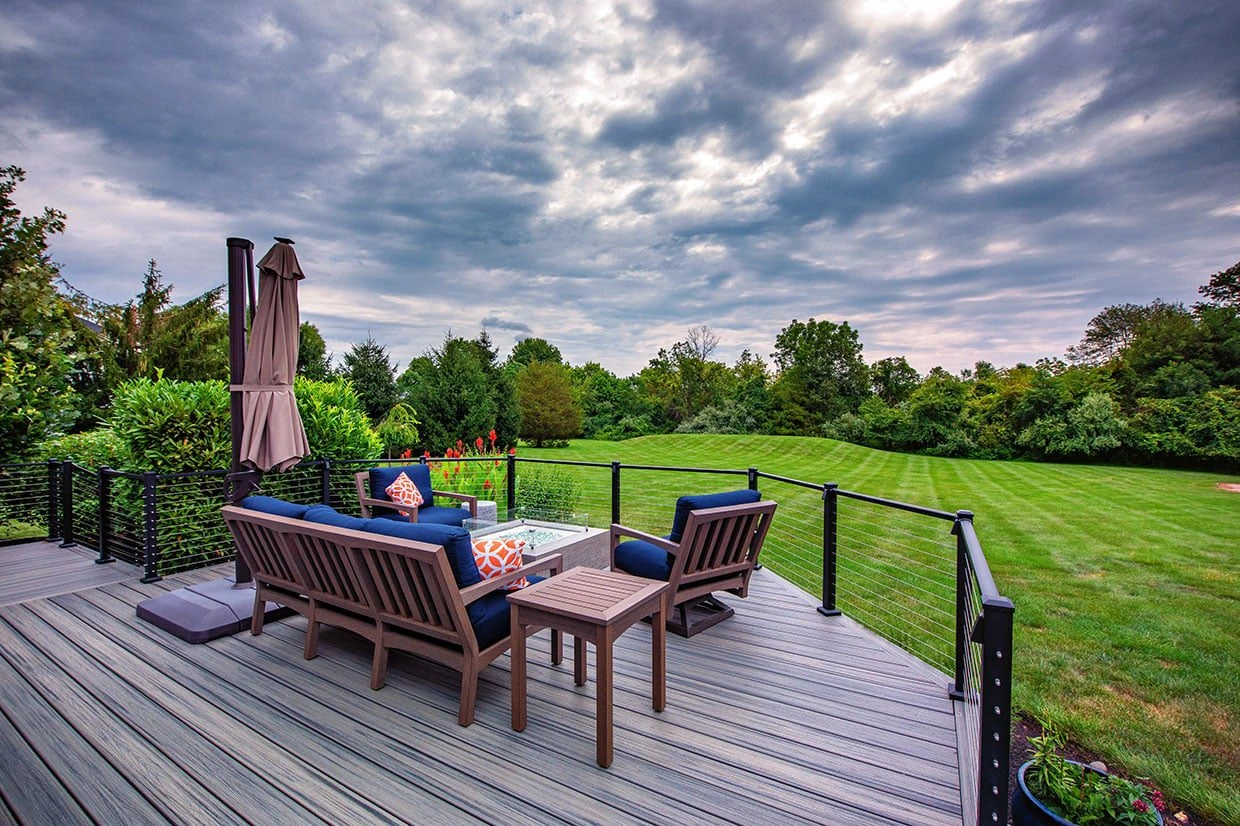
Building a deck is one of the most rewarding ways to expand your outdoor living space and add value to your home. For many Seattle homeowners, a floating deck is an especially attractive option. Some homeowners have decided to build a floating deck after considering other options, such as a patio or a traditional deck, due to its flexibility and ease of installation. Unlike traditional decks that require deep footings and extensive concrete work, floating decks are freestanding structures that rest on blocks at ground level. This makes them ideal for backyards where you want to avoid the hassle and cost of digging deep holes or pouring large concrete footings. Floating decks are generally easier and cheaper to build than traditional decks since they do not require deep footings.
Floating decks are built to “float” above the ground, supported by cement or concrete blocks rather than being anchored directly into the soil. This approach not only saves time and money but also allows for greater flexibility in placement and design. You can easily adapt a floating deck to fit your yard’s unique shape or move it if your plans change in the future. To lay out the deck blocks, place a deck block at each corner and around the edges for additional support. Plus, because they sit close to the ground, floating decks often don’t require railings or stairs, making them a simple and accessible project for most DIYers.
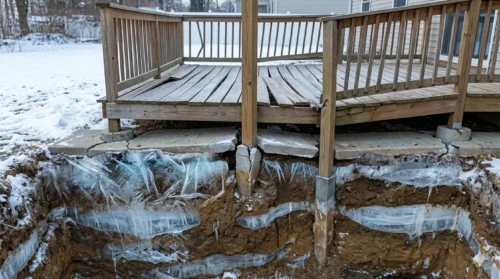
However, it’s important to note that floating decks may not be suitable for every location, especially in areas with poor drainage or significant slope. Placing posts or deck blocks directly on unstable ground is a bad idea, as it can compromise the safety and longevity of your deck. While they offer a cost-effective and straightforward way to create a backyard retreat, they may require additional stability measures in windy or unstable soil conditions. Soil stability does matter – a deck built on shifting or soft soil can become unsafe over time. To anchor a freestanding deck, robust diagonal and lateral bracing is required, which creates a rigid triangular structure that resists lateral movement. By understanding the basics of floating deck construction, you can decide if this type of deck is the right fit for your project and your property.
Planning and preparation
Every successful floating deck project starts with careful planning and thorough preparation. Before you pick up a single tool, take the time to determine the size, shape, and location of your deck. Consider how you want to use the space – whether it’s for entertaining, relaxing, or as a base for a pergola or outdoor kitchen. Sketch out your ideas and measure your backyard to ensure your plans fit the available area. Building a floating deck typically requires essential tools such as a circular saw and an impact driver.
Next, research the best materials for your deck, keeping in mind Seattle’s climate and your desired level of maintenance. Pressure-treated lumber, composite decking, and weather-resistant fasteners are all popular choices for floating decks. Don’t forget to factor in the frost line when planning your foundation: while floating decks typically rest on blocks at ground level, you’ll still want to ensure your structure is stable and won’t shift during freeze-thaw cycles.
Stop Dreaming, Start Building!
Seattle’s deck experts are ready to anchor your vision. Olympic Decks deliver wind-resistant, code-compliant decks that stand the test of time.
Obtaining the necessary permits is another crucial step. Seattle’s building codes may require permits for certain deck sizes or heights, and you’ll need to ensure your plans comply with local regulations regarding support, railing, and setback requirements. Proper planning also helps you avoid common mistakes, such as inadequate support or poor drainage, which can compromise the safety and longevity of your deck.
By investing time in planning and preparation, you’ll set the stage for a smooth building process and a floating deck that enhances your backyard for years to come. Failing to plan properly can lead to trouble during construction or future maintenance, so take the time to address potential challenges before you begin.
Understanding Seattle’s wind challenges for deck construction
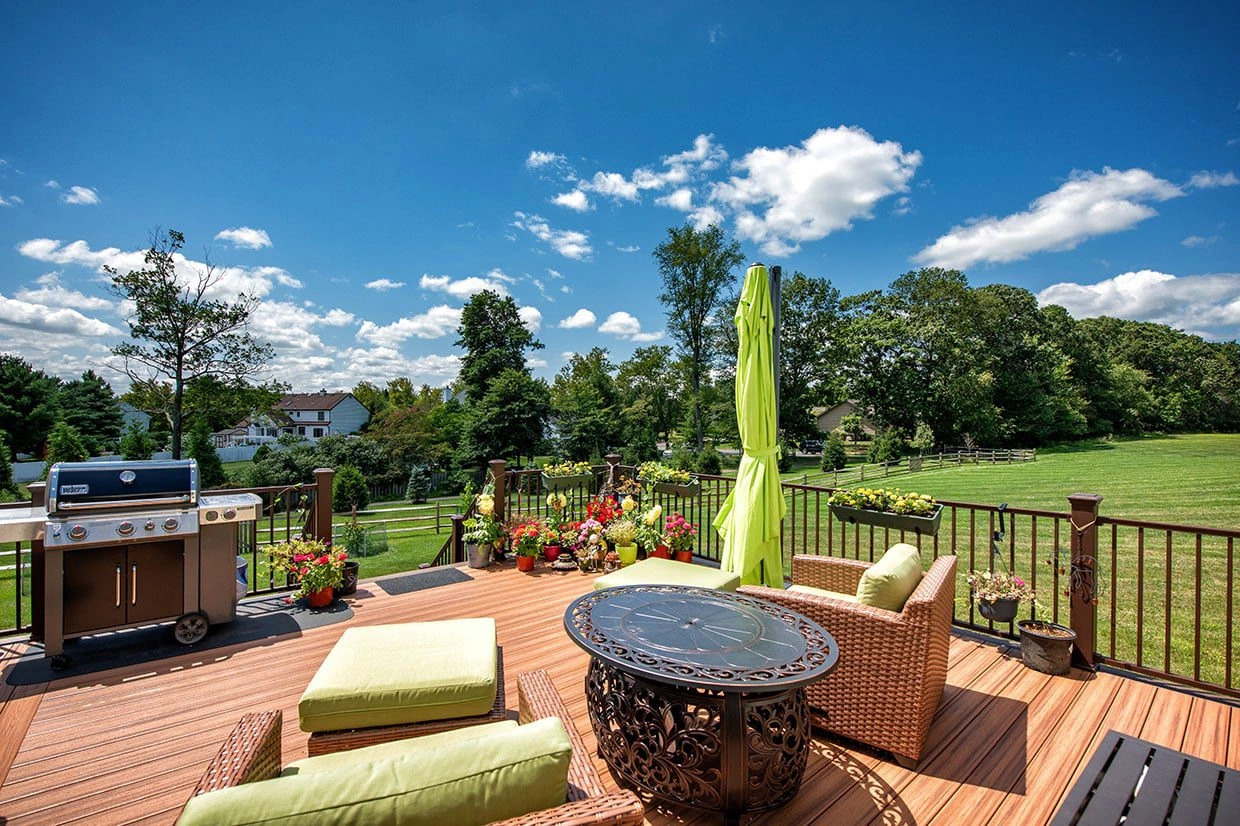
Homeowners often choose freestanding decks with roof systems for year-round comfort, but Seattle’s windy conditions require extra attention to construction details. Based on regional data, Seattle frequently experiences average wind speeds around 8-11 mph. During winter storms, gusts well above 40-50 mph have been recorded in exposed areas of Puget Sound.
Under Seattle Building Code, deck designs must satisfy ultimate design wind speeds defined in ASCE 7. In some zones and roof heights this can approach or exceed 140 mph for design purposes
Unlike attached decks that benefit from the structural supports of the house, freestanding decks must rely entirely on their own supports, such as the foundation and post system, to resist wind uplift and lateral movement. This is why proper deck foundation posts placement and sizing becomes absolutely crucial in our climate.
Seattle building code requirements for freestanding decks
Before you start installing a floating deck, you’ll need to understand Seattle’s specific code requirements, which exceed standard International Residential Code provisions in several key areas. These requirements are designed to ensure that each component is used for its intended structural purpose.
Permit requirements
Seattle requires construction permits for any deck more than 18 inches above ground level. For freestanding deck construction, you’ll need to submit plans showing foundation details, lumber specifications, and connection methods to SDCI. The permit process typically takes 2-3 weeks, and you’ll need inspections at the foundation and final stages.
Foundation depth and sizing
Building deck foundations in Seattle typically requires footings that extend at least 12 inches (305 mm) below the undisturbed ground surface or frost line per Seattle’s building code. While Table R507.3.1 of IRC (and similar guidelines considered by local contractors) sets footing sizing based on soil bearing capacity and tributary load area, in wind-exposed areas many professionals recommend deeper footings (often 24-36 inches) to enhance stability.
For most residential floating deck pier installations, concrete footings should be minimum 16 inches in diameter for 4×4 posts or 20 inches for 6×6 posts. In areas with poor soil conditions or high wind exposure, larger footings may be required. The deck frame is built from pressure-treated lumber and has joists hung every 16 inches on joist hangers.
Ready to build a safe, code-compliant deck foundation in Seattle? Trust Olympic Decks for expert design, engineering, and installation – and check out our Frequently Asked Questions to learn more – get your free estimate today.
Post specifications and spacing
The IRC limits post height for deck installations depending on post sizing: for example, a 4×4 post may be limited to about 10 feet, while a 6×6 post can often reach heights up to 18 feet in compliant designs (IRC Table R507). Although code does not always prescribe specific on-center spacing such as 6-8 ft for 4×4 posts, many contractors use wider spacing with larger post sizes, which can reduce material costs and improve resistance to wind forces.
Step-by-step foundation and anchoring process
Step 1: Site assessment and layout
Start by evaluating your site’s exposure to prevailing winds, which in Seattle typically come from the southwest during storm events. Before marking your deck base locations, assess your yard’s conditions and layout, considering soil type, space constraints, and any necessary preparation steps for deck construction. Mark your deck bases locations using spray paint or stakes, ensuring proper spacing according to your approved plans.
When marking, plan the placement of each support block carefully to ensure a stable and level foundation. Use a transit or water level to establish consistent elevations across all footing locations. Seattle’s hilly terrain often requires careful grading to achieve level floating deck base installations. If you are using a power auger or hand tools to dig footing holes, you may need to pull the auger out of the soil periodically to clear debris or adjust the hole depth. During layout, posts or beams may need to slide slightly to achieve perfect alignment before securing them.
Step 2: Excavation and soil preparation
Dig post holes to the required depth using a power auger or hand tools. In Seattle’s clay-heavy soils, you may encounter challenging digging conditions, especially during wet months. Ensure hole diameter allows for proper concrete coverage around post anchors. After digging, lay down landscape fabric to prevent weed growth under the deck and aid drainage. Next, add a layer of gravel to create a stable, well-draining base before placing your foundation blocks. Use sand on top of the gravel as a leveling material to ensure the blocks are set at the correct height. After building the frame, it is crucial to level it on the foundation blocks to ensure stability.
For low profile deck construction where minimal height is desired, consider using helical pier systems or concrete pads instead of traditional buried footings. These methods work particularly well in areas with drainage concerns or limited excavation access.
At Olympic Decks, we’ve worked with every type of soil condition in the Seattle area – from dense clay to uneven, water-logged ground. That’s why we recommend footing solutions tailored to each site, ensuring long-lasting stability and compliance with local codes.
Step 3: Setting concrete footings
Mix concrete to achieve a minimum 2,500 PSI strength rating. In Seattle’s marine environment, adding air-entraining admixtures helps concrete resist freeze-thaw cycles and salt exposure from Puget Sound. Weatherproofing the deck with a protective stain or sealer is necessary to prolong the wood’s life.
Pour concrete footings, ensuring adequate thickness below post base plates. For installing posts for a deck in wind-prone areas, embed galvanized post anchors or brackets directly into wet concrete, checking alignment carefully as concrete begins to set. Once the concrete has cured, securely attach the post base or hardware to the concrete footing using appropriate fasteners to ensure maximum stability.
Step 4: Post installation and bracing
All metal connectors, hangers, and fasteners used in deck construction must be corrosion-resistant, typically hot-dipped galvanized or stainless steel per IRC and local wood deck construction guides.
For freestanding decks more than 30 inches above grade, diagonal bracing is required (IRC Section R507) at post-to-beam connections. Many contractors achieve this by using through-bolts and pressure-treated lumber: for example, 2×4 members with ½-inch through-bolts at each connection point to ensure long-term stability.
Ensure your deck isbuilt to last – trust Olympic Decks for code-compliant, corrosion-resistant construction.
Get your free estimate today.
Building the deck frame
The deck frame is the backbone of your floating deck, providing the essential support for your decking boards and any additional features you may want to add, such as a pergola or even a small roof. To start, lay out your footings using cement blocks or concrete blocks, spacing them evenly – typically every 12 to 16 inches, to ensure your deck frame will be well supported across its entire surface.
Once your blocks are in place and level, begin building the frame using pressure-treated lumber. Install the joists perpendicular to the main beams, securing them to the footings with sturdy joist hangers. This not only keeps the frame stable but also helps distribute the load evenly, preventing sagging or shifting over time. Make sure the frame is perfectly level and square before moving on, as any unevenness now will be magnified once the decking boards are installed. Install blocking between joists to add rigidity and reduce bounce for low-level floating decks.
Using high-quality materials and following best practices for construction will ensure your floating deck frame is strong, secure, and ready to support years of outdoor enjoyment. Whether you’re planning to add a pergola, a roof, or simply want a solid surface for gatherings, a well-built frame is the key to a successful floating deck project.
Installing decking and roofing
With your deck frame in place, it’s time to install the decking boards and consider any additional features like a deck roof, porch, or pergola. Choose decking materials that suit your style and Seattle’s climate – pressure-treated lumber, redwood, or composite boards are all excellent options for floating decks. When laying the boards, leave a small gap between each one to accommodate expansion and contraction during Seattle’s frequent thaw cycles. This helps prevent warping and ensures proper drainage.
Use a circular saw to make clean, precise cuts, and a cordless drill to drive screws and fasten the boards securely to the frame. If you plan to add a deck roof or pergola, make sure your deck frame is designed to handle the extra load. This may require additional support, such as installing fence posts or piers at key points to provide extra stability and prevent movement during high winds. For a covered or screened-in option, consider building a porch as an extension of your deck, which can include roofing panels and screens for added comfort and weather protection.
If you are enclosing the space or adding screens, don’t forget to install a door for easy access and to help with mosquito-proofing your outdoor area.
As you install the decking and any overhead structures, double-check that everything is level and properly secured. By using the right materials, tools, and installation techniques, you’ll create a floating deck that not only looks great but also stands up to Seattle’s challenging weather. With thoughtful planning and a solid build, your new outdoor space will be ready for relaxing, entertaining, and enjoying the best of backyard living.
Advanced anchoring techniques for high-wind areas
Wind-resistant connection methods
Standard deck beam post connection methods may not provide adequate resistance in Seattle’s wind conditions. Consider upgrading to engineered connectors like Simpson Strong-Tie brackets that provide both uplift and lateral resistance.
For post to beam connection deck installations, use through-bolts rather than lag screws whenever possible. Through-bolts distribute loads more effectively and provide superior hold-down capacity during wind events.
Enhanced lateral bracing systems
Traditional diagonal bracing may not be sufficient for decks in highly exposed locations near Puget Sound. For added stability, consider installing building deck platform knee braces or choosing full perimeter bracing systems that connect all posts into a single structural unit. Knee bracing adds diagonal braces between the posts and beams to reinforce a freestanding deck.
Cross-bracing between posts creates triangulated load paths that dramatically improve wind resistance. Use 2×6 or 2×8 blocking between posts at mid-height to prevent individual post movement during lateral loading. Additionally, make sure to properly seal or finish the edges of all bracing and blocking to prevent moisture intrusion and maintain structural integrity.
Foundation upgrades for extreme conditions
In areas subject to both high winds and seismic activity, consider floating deck construction using reinforced concrete foundations with embedded steel reinforcement. These systems provide superior resistance to both uplift forces and lateral movement.
For waterfront properties or steep slope installations, helical piers driven to refusal depth can provide exceptional holding power in challenging soil conditions. While more expensive than conventional concrete footings, they offer long-term reliability in demanding environments.
Material selection for Seattle’s marine climate
Fastener specifications
Seattle’s proximity to salt water accelerates corrosion of standard galvanized fasteners. For deck framing code compliance, use hot-dipped galvanized bolts, screws, and brackets rather than electro-galvanized alternatives. Choosing fine quality fasteners and using precise installation techniques ensures long-term durability and superior results.
Stainless steel fasteners provide the best long-term performance but come at higher cost. For critical connections like post-to-footing and beam-to-post joints, the investment in 316-grade stainless steel hardware pays dividends in reduced maintenance and enhanced safety.
Build it once, build it right – trust Olympic Decks for lasting quality.
Lumber treatment and grades
Pressure-treated lumber used in marine or soil-contact settings should meet or exceed Ground Contact (GC) retention levels – commonly 0.40 pounds per cubic foot (pcf) for ACQ or CCA treatments according to AWPA and builders’ guidelines. While local codes in Seattle may not explicitly enforce “marine grade” treatment, contractors in the Puget Sound region routinely specify GC-rated lumber for posts and beams in direct contact with soil or moisture.
Floating decking construction benefits from using composite or PVC decking materials that resist moisture absorption and dimensional movement. While initial costs are higher, these materials reduce long-term maintenance requirements in our wet climate.
Drainage and moisture management
Proper drainage around deck code compliant foundations prevents water accumulation that can undermine soil stability and accelerate decay of wooden components. Install French drains or surface grading to direct water away from post locations.
Use flashing and membrane materials to isolate wooden posts from concrete footings, preventing wicking moisture that leads to decay at the critical post-to-foundation interface.
Seismic considerations for Seattle deck anchoring
Seattle’s location in an active seismic zone requires special attention to baluster spacing on decks and connection details that can resist earthquake forces. The IRC requires enhanced connection details for our seismic design category, including:
Hold-down requirements
Post-to-foundation connections must include hold-down anchors capable of resisting 1,800 pounds of uplift force. Use Simpson Strong-Tie MPBZ or equivalent connectors that provide both compression and tension resistance.
Flexible connections
While rigid connections resist wind loads effectively, they may fail during seismic events. Consider using flexible connection systems that allow controlled movement while maintaining structural integrity.
Choose Olympic Decks for safe, code-ready deck solutions.
Professional VS DIY installation considerations
When to call Olympic Decks
Complex floating deck builder projects involving multiple levels, integrated roofing systems, or challenging site conditions benefit from professional expertise. Olympic Decks brings extensive experience with Seattle’s unique requirements and can navigate permit processes efficiently.
Professional contractors have access to specialized equipment for precise post placement and concrete work that ensures optimal performance in wind conditions. They also carry appropriate insurance and provide warranties on their work.
DIY-friendly aspects
Simple constructing decking frame projects using standard rectangular layouts can often be completed by experienced DIYers. Focus on thorough planning, proper tool selection, and meticulous attention to code requirements.
Consider hiring professionals for critical aspects like foundation work and structural connections while handling finish work yourself. This hybrid approach can help you save on labor costs, but be careful – making a mistake during finish work can lead to wasted materials or extra expenses. This method provides cost savings while ensuring structural integrity.
At Olympic Decks, we often see homeowners who enjoy tackling parts of the project themselves, but they rely on our team for the heavy lifting – from foundations to structural connections, to guarantee the deck meets Seattle’s strict building codes and lasts for decades. If you’re considering hiring a professional, make sure to choose the right deck builder for your project.
Inspection and maintenance requirements
Required inspections
Seattle requires foundation inspections before concrete pours and final inspections before issuing occupancy permits. Schedule inspections promptly to avoid delays in your project timeline.
Inspectors will verify proper footing size and depth, adequate post sizing and spacing, and code-compliant connection details. Having detailed plans and material specifications readily available speeds the inspection process.
Long-term maintenance
Annual inspection of floating dock and deck connections helps identify potential issues before they become safety hazards. Look for signs of fastener corrosion, post movement, or foundation settling.
Re-tighten bolted connections annually, as wood shrinkage and thermal cycling can loosen fasteners over time. Keep detailed maintenance records that document any issues and corrective actions taken.
Cost considerations and budgeting
Foundation and anchoring costs
Based on industry averages, you can expect basic concrete footing and anchoring hardware to cost around $150-$300 per post in similar regions, with upgraded systems in challenging soil or wind-exposed areas sometimes running $500-$800 per post. Labor rates for foundation work often fall between $50-$150 per hour depending on contractor expertise and local conditions. For precise estimates in Seattle, contact local professionals who know SDCI code requirements and site-specific conditions.
Long-term value considerations
Investing in high-quality anchoring systems and materials provides excellent long-term value through reduced maintenance costs and enhanced safety. Well-built freestanding decks can add significant value to Seattle-area properties, particularly those with water views or challenging topography.
Ready to build your dream deck with confidence? When considering professional freestanding deck construction that meets Seattle’s demanding wind and seismic requirements, look for experienced contractors who handle everything from permits to final inspection, ensuring your deck is built to last. Olympic Decks offers free consultations and has earned the trust of homeowners across King, Pierce, and Snohomish counties for their outdoor living projects.
Troubleshooting common issues
Post movement and settlement
Differential settlement between posts can cause structural stress and safety issues. Monitor post positions during the first year after installation, particularly during Seattle’s wet winter months when soil conditions change rapidly.
Use string lines or laser levels to detect movement early. Minor adjustments can often be made using adjustable post bases or shimming techniques.
Water management problems
Poor drainage around foundations can undermine stability and accelerate decay. Install surface drainage systems that direct water away from post locations, and consider waterproof membranes around buried portions of posts.
Connection deterioration
Regular inspection of galvanized hardware helps identify corrosion before it compromises structural integrity. Replace questionable fasteners promptly, upgrading to stainless steel where budget allows.
Conclusion: Building for Seattle’s conditions
Successfully anchoring a freestanding deck in Seattle requires understanding our unique combination of wind, seismic, and moisture challenges. Proper foundation design, code-compliant construction methods, and appropriate material selection create structures that provide decades of safe, enjoyable outdoor living space.
The investment in proper anchoring and foundation work pays dividends through enhanced safety, reduced maintenance requirements, and compliance with Seattle’s stringent building codes. Whether you choose professional installation through experienced contractors like Olympic Decks or tackle the project yourself, attention to these critical details ensures your deck will weather whatever the Pacific Northwest throws at it.
Remember that building permits and inspections aren’t just bureaucratic requirements – they’re your assurance that your deck meets the engineering standards necessary to protect your family and investment in Seattle’s challenging climate conditions.
Don’t wait, call Olympic Decks today and start turning your deck dreams into reality!

Olympic Decks is your Seattle area Deck Company, We specialize in all your Decking needs – new deck installation, deck resurfacing, louvered roof and cedar wood fence installation.