Choosing a composite deck builder is not only about picking deck boards from a catalog. For Seattle homeowners, a good deck design has to work with rain, access, framing, rails, maintenance, budget, and the way the outdoor space will actually be used. Composite decking can be a smart choice when you want the beauty of a finished outdoor living space with less sealing, staining, and routine upkeep than many wood decks require.
At Olympic Decks, our team helps homeowners across Seattle, Bellevue, Mercer Island, and the greater Seattle area plan custom decks that fit the house, the yard, and the daily rhythm of outdoor living. The best decks feel natural because the materials, layout, and construction details are considered together from the start.
Low Maintenance Custom Decks: When Composite Decking Makes Sense
Composite decking makes sense when homeowners want a low-maintenance surface without giving up the warm look of real wood. Composite decking can resemble real wood in appearance. Composite materials resist rot, fading, and moisture. Composite decking typically lasts 25 to 50 years.
Before choosing between composite and traditional wood decking, compare:
- Initial budget;
- Desired appearance;
- House architecture and deck design;
- Cleaning and refinishing requirements;
- Preferred level of ongoing maintenance.
For Seattle and Bellevue homeowners, local weather and long-term upkeep should also influence the decision. An experienced deck builder should explain how each material affects installation, routine care, and everyday use.
Composite Decking and Wood Decks: What Changes?
Composite decking is available in different colors, textures, and board profiles. Trex and TimberTech are popular composite decking brands. For the 280-square-foot Seattle replacement featured below, our crew used Trex Transcend to replace a rotted wood deck.
When homeowners explore materials, they should compare:
- Color, texture, and board profile;
- Budget and maintenance requirements;
- Sun and moisture exposure;
- Drainage around the deck;
- Installation requirements for the selected product.
Composite decking can reduce routine upkeep, but it still requires correct installation. Composite materials require specific gap spacing for expansion and contraction. Boards installed too tightly or over unsound framing can cause problems later.
| Material choice | What it affects | Why it matters |
| Composite decking | Maintenance, color, surface feel, warranties | Good for low-maintenance outdoor living |
| Wood decking | Natural grain, cleaning, periodic refinishing | Good for homeowners who accept more routine maintenance |
| Rails | Safety, style, views, access | Rails shape both function and appearance |
| Framing | Structural integrity and deck life | Weak framing can limit resurfacing options |
| Layout | Furniture, traffic flow, backyard use | A better layout makes the deck easier to use |
Seattle Project Example: Replacing a Rotted Second-Story Deck
This Seattle project shows why decking, railing, lighting, and structural materials should be planned as one scope rather than selected separately.
| Project detail | Confirmed information |
| Location | Seattle, WA |
| Project type | Second-story deck replacement |
| Size | 280 square feet |
| Existing condition | Rotted wood deck that needed replacement |
| Project goal | Upgrade from wood to Trex composite decking |
| Materials | Trex Transcend, cable railing, step lights, and Grade #1 PT lumber |
| Timeline | One week |
| Crew | Four people |
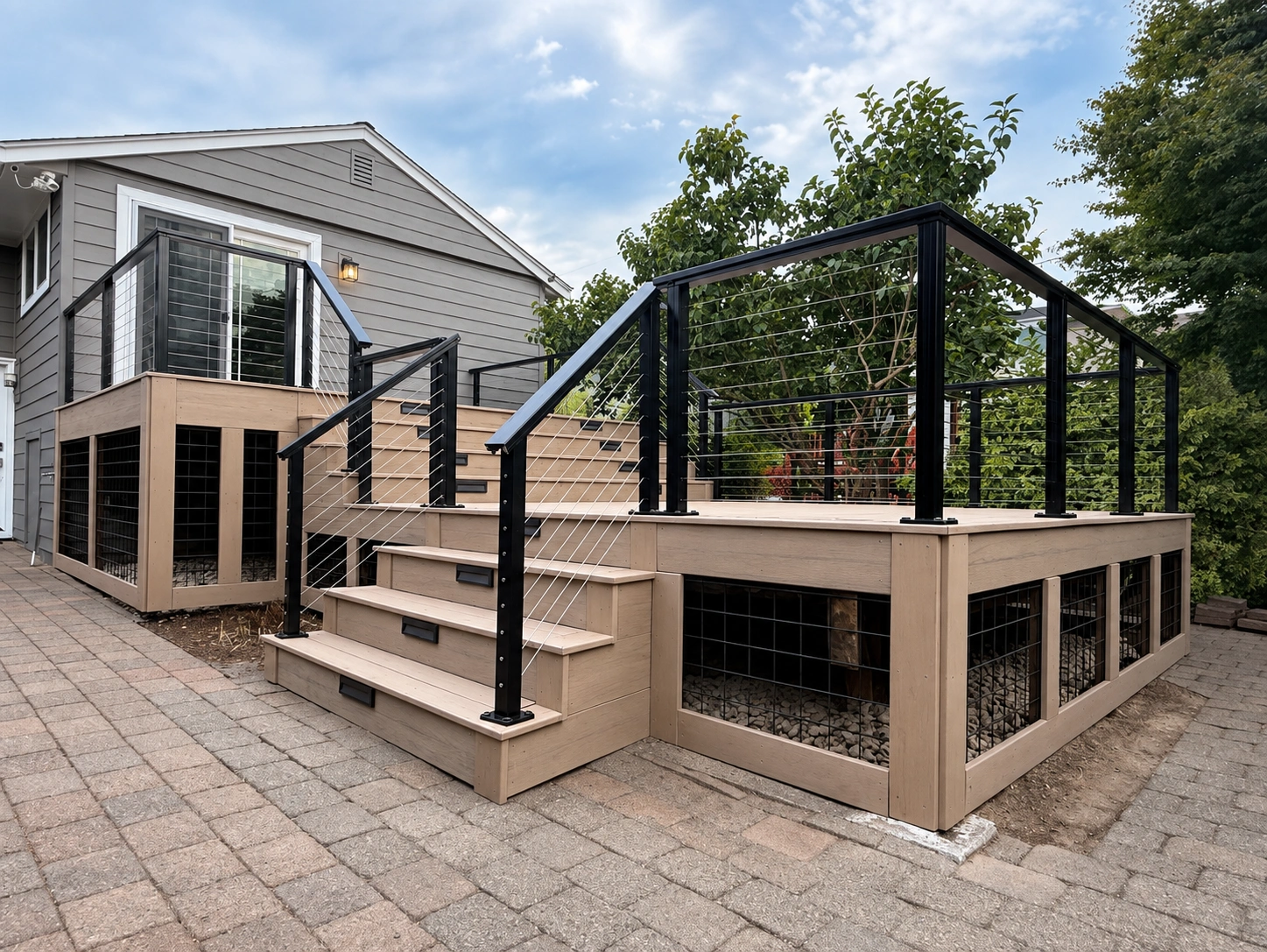
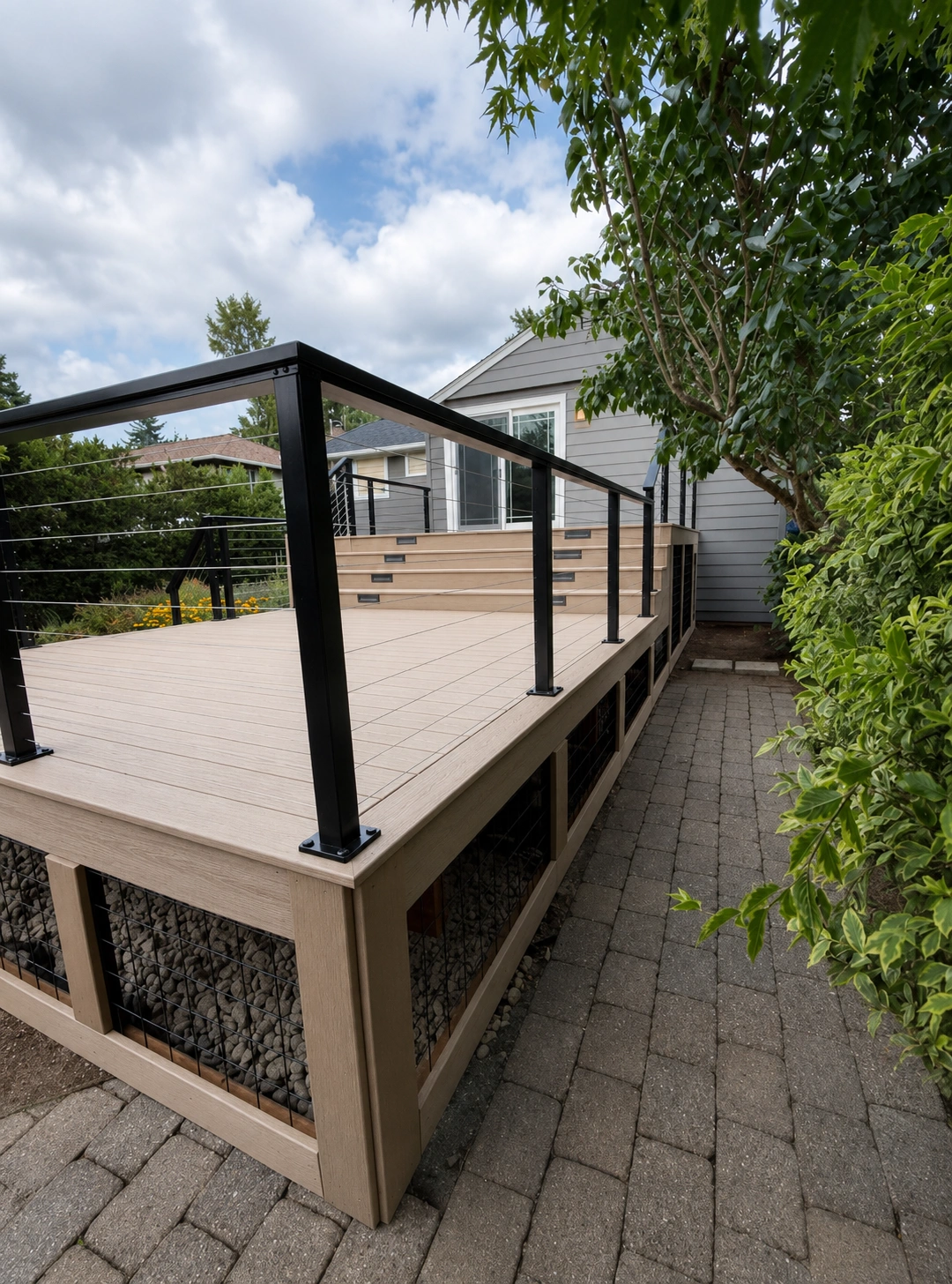
Our four-person crew completed the 280-square-foot second-story deck replacement in one week. Because the existing wood deck was rotted, the project required replacement rather than resurfacing. The homeowner upgraded to Trex composite decking, with cable railing and step lights included in the finished scope.
How Deck Builders Plan Deck Design Around Real Outdoor Living
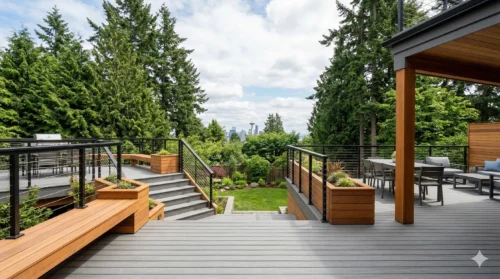
Strong deck design starts with the outdoor space and the way it will be used. Some homeowners want a quiet place for morning coffee. Others need space for family meals, grilling, covered seating, or gatherings with friends. Custom decks should be tailored to the home, not forced into a one-size-fits-all shape.
That is why building a new deck around the way your outdoor space will be used matters. Access from the house, stair location, yard slope, privacy, rain exposure, and furniture placement all affect the final design. In the Pacific Northwest, builders also need to think about drainage, shade, wet surfaces, and how the deck connects to the rest of the backyard.
Deck builders should also talk through rails early. Rails are not just a safety requirement. They influence sightlines, style, and how open the deck feels. A solid rail can create privacy, while a more open rail can help preserve views. Built-in benches and lighting can also be part of custom deck designs when they fit the vision and budget.
For this Seattle project, surface material, rails, lighting, stair access, and usable floor area were treated as connected decisions. The 280-square-foot second-story replacement combined Trex Transcend, cable railing, and step lights within one defined scope rather than treating them as isolated upgrades.
Existing Deck Resurfacing or Full Rebuild?
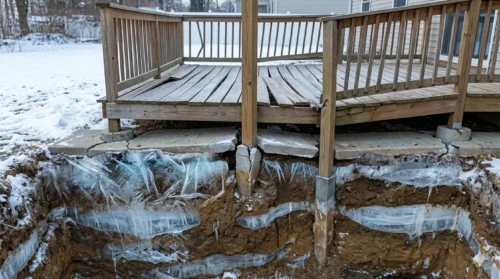
Not every existing deck needs a full rebuild. If the framing is still solid and the structure has proper support, resurfacing may be a practical option. Deck resurfacing usually focuses on replacing worn deck boards and rails while keeping usable framing in place. The cost and timeline depend on the deck size, site access, selected materials, railing scope, and condition of the existing framing.
The important part is inspection. Before recommending resurfacing, deck builders need to check the joist spacing, framing condition, hardware, and overall structural integrity. A clean deck surface does not confirm that the structure underneath is sound.
Homeowners who notice soft boards, loose rails, damaged surfaces, or an aging deck should look at the signs that a Seattle deck may be ready for resurfacing before assuming they need new deck construction. Resurfacing can extend the life of a deck when the existing framing remains structurally sound. Full replacement is usually the better path when problems with the framing, access, safety, or layout prevent the existing deck from meeting the homeowner’s goals.
For homes in Seattle, WA, frequent rain makes this decision even more important. Moisture can conceal problems under deck boards, around fasteners, and near posts. An inspection of the decking and structure helps distinguish cosmetic wear from problems that may require repair or replacement.
What to Clarify About Deck Installation and Final Inspection Responsibilities
Before deck installation begins, the scope should identify the layout, product line, railing, lighting, framing work, timeline, and cleanup responsibilities. According to Seattle’s official deck permit guidance, a construction permit is required for a deck more than 18 inches above the ground or for a roof deck. In Bellevue, the city’s residential permit requirements state that a permit with plan review is required when the highest walking surface is more than 30 inches above the ground. Homeowners should confirm who is responsible for any required permits and inspections instead of assuming those tasks are included.
The proposal should make clear whether the recommended scope is resurfacing or full replacement and explain which existing conditions support that recommendation. For the Seattle project above, the rotted structure made replacement necessary; the decision was not based on surface appearance alone.
Composite decks typically have warranties lasting 25 to 50 years. If a proposal refers to a manufacturer warranty or certified-installer status, ask for the terms that apply to the exact product and company. Verify that builders are certified installers for the brands they sell. Warranty coverage and installer requirements should be documented rather than assumed.
At the final walkthrough, compare the completed deck with the approved scope, including the surface material, rail system, lighting, stairs, finish details, and cleanup. Clear documentation makes it easier to confirm that the finished project matches what was agreed before construction.
Choosing a Composite Deck Builder in Seattle, Bellevue, and Mercer Island
A good composite deck builder does more than sell deck boards. The right company helps customers compare materials, understand maintenance, protect the structure, and design a deck that fits the home. That matters in the Pacific Northwest, where rain, access, slopes, and backyard layouts can all affect construction.
When comparing deck builders, ask to see completed projects that match your scope and material. Homeowners can also use the Washington State Department of Labor & Industries Verify tool to check whether a contractor has an active registration, bond, and insurance. For a composite replacement, useful project details include the original condition, deck size, product line, rail system, lighting, framing scope, timeline, and crew size. Ask whether the company has experience building decks with the proposed product line and structural scope. Photos supported by material specifications and project details make quality craftsmanship easier to evaluate.
Homeowners in Bellevue, Seattle, Mercer Island, and the greater Seattle area should also look for a team that listens closely. The highest quality deck is not always the most complicated one. Sometimes the best project is a clean, low maintenance deck with durable rails, good access, and enough outdoor living space for the way the family actually lives.
FAQ
Is composite decking better than wood for Seattle homes?
Composite decking can be a better fit when reducing routine sealing, staining, and refinishing is a priority. Wood decking offers natural grain and warmth but generally requires more ongoing care. The choice should also account for budget, design, framing condition, and the way the deck will be used.
Can an existing deck be resurfaced with composite decking?
Yes, an existing deck may be resurfaced with composite decking if the framing is solid, properly spaced, and safe. Deck builders should inspect the structure before recommending resurfacing.
What should I ask when reviewing a deck estimate?
Ask whether the estimate identifies the deck size, product line, rail system, lighting, framing work, project schedule, total cost, scope of service, cleanup, permit responsibilities, and warranty terms. It should also explain whether the existing structure is suitable for resurfacing or requires full replacement.
Do composite decks still need maintenance?
Composite decking can support a minimal maintenance routine, but no deck surface is completely free of maintenance. Homeowners should still clean the surface and follow the manufacturer’s care recommendations.
Why does composite decking need professional installation?
Composite decking requires correct spacing, fastening, ventilation, and framing checks. Professional deck builders understand how composite materials expand, contract, and perform over time.
What should homeowners compare when choosing a composite product line?
Compare the color, texture, board profile, installation requirements, care guidance, warranty terms, and budget. Trex Transcend was used for the 280-square-foot Seattle deck replacement described in this guide.

Olympic Decks is your Seattle area Deck Company, We specialize in all your Decking needs – new deck installation, deck resurfacing, louvered roof and cedar wood fence installation.