
A Complete Guide on PVC vs Composite Decking Material
Once upon a time, real wood deck materials were the only option homeowners had when building a dream deck. Today, there are several decking materials to choose from. However, with so many options on the market, it can get complicated to know exactly which material is the best material for your deck.
PVC or composite decking are both among the top choices, each with unique features and some differences that set them apart. At Olympic Decks in Seattle, our deck contractors have been working extensively with both materials and have created this guide to help homeowners decide who comes out on top: PVC vs Composite Decking. We’ll give you the information and let you decide.
What is Composite Decking?
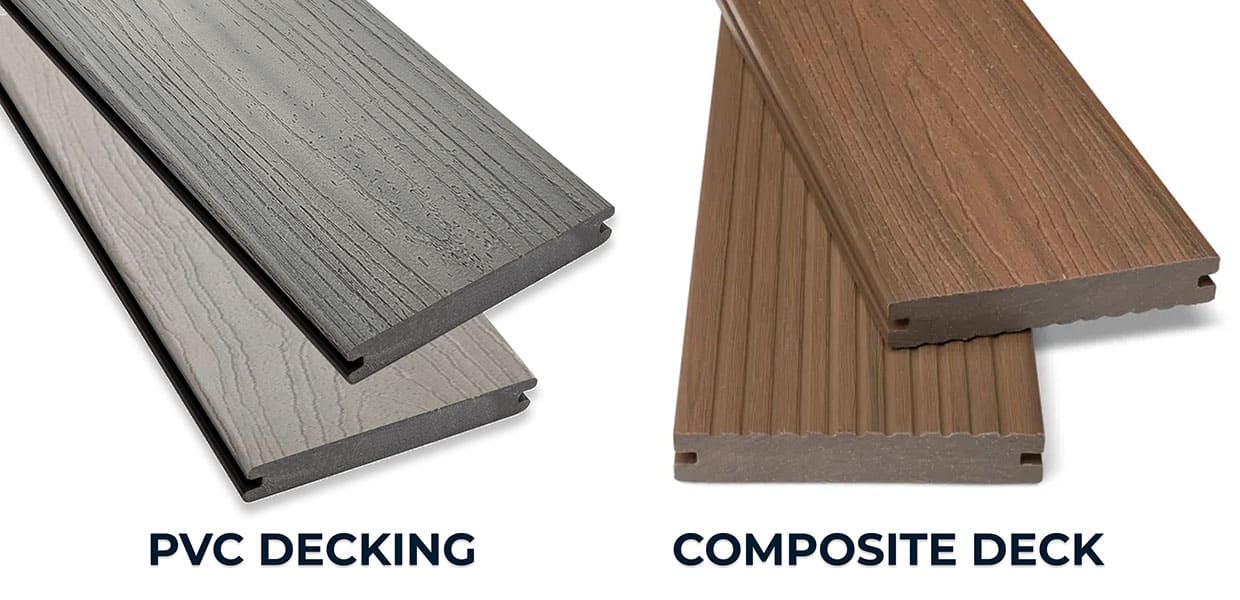
Composite is a man-made material of wood fibers, plastics, and bonding agents. It is designed to mimic the look of traditional lumber while providing greater durability. Composite decking offers enhanced performance and requires low maintenance requirements, making it an attractive choice for homeowners. This material is also environmentally friendly, as it often incorporates recycled plastic components.
A key feature of composite decking is its comprehensive encapsulation process, which protects each board from moisture, insects, and UV rays. This ensures the decking can resist fading, rot, splintering, and mildew, providing a long-lasting and visually appealing surface.
What is PVC Decking?
Vinyl decking is made entirely of polyvinyl chloride, a type of plastic. This makes it exceptionally durable and resistant to moisture, insects, and rot. Unlike composite decking, which includes wood fibers, PVC decking is 100% synthetic, offering easy maintenance and a long-lasting option for homeowners.
When comparing composite vs PVC decking, one of the main differences is that PVC decking tends to be lighter and highly resistant to scratches and stains. This makes it an ideal choice for areas with high foot traffic and hotter climates. Its all-plastic composition also ensures it won’t warp or splinter, providing a smooth and safe surface for your outdoor space.

PVC vs Composite Decking Products: A Head-to-Head Comparison
In the Composite vs PVC decking showdown, we’ll consider factors homeowners rate as important in decking lines. Let’s take a look at how each material measures up in the following categories:
1) Durability and Maintenance
2) Aesthetics and Design
3) Environmental Impact
4) Cost
1. Durability and Maintenance
Composite and PVC decking are built to last, but have unique strengths. Composite decking, made from wood fibers and plastic, resists rot, splintering, and insect damage. Its protective shell guards against moisture and UV rays, minimizing color fading. PVC decking, entirely synthetic, excels in moisture and stain resistance and is weather resistant, even under extreme weather conditions. It’s less likely to scratch and requires even less care than composite. In high-moisture and heavy-use areas, PVC might have the edge.
Both options can prevent mildew growth when given proper maintenance, but PVC’s plastic core naturally enhances mildew resistance. Composite materials, on the other hand, may need regular maintenance to maintain their authentic look and prevent buildup.
2. Aesthetics and Design Flexibility
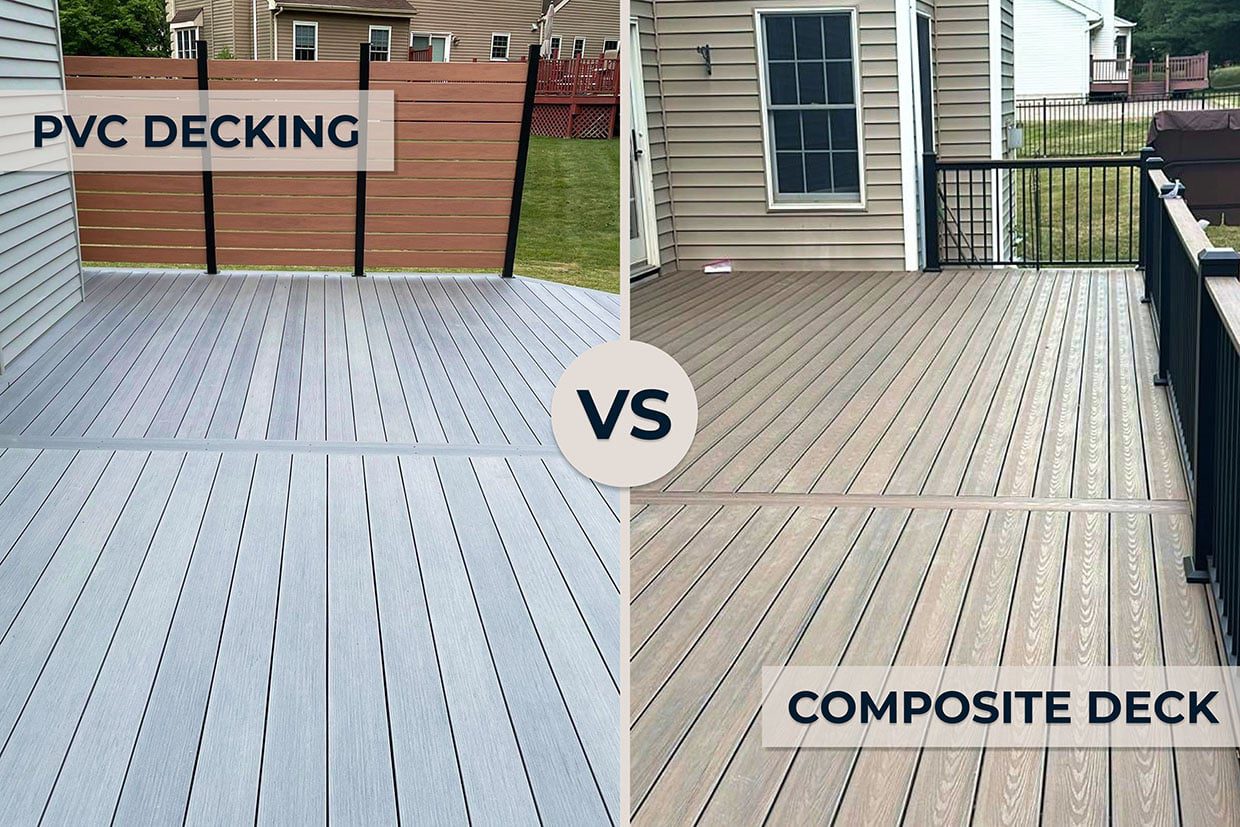
Aesthetics are key when choosing a decking material. Composite decking mimics natural beauty with a variety of colors, grains, and style options, offering a timeless appearance many homeowners find appealing. It can also be bent and shaped with heat for creative designs.
PVC decking, available in multiple tones from lighter color neutrals to darker colors and rich colors, maintains a consistent, modern finish that can complement full sun exposure without damage. While woods offer a classic charm, PVC’s sleek look and hidden fasteners create a flawless, finished look with minimal maintenance required.
3. Environmental Impact
Both decking options have eco-friendly aspects. Composite decking often uses sustainably sourced ingredients like reclaimed wood fibers and plastic, reducing waste. Although made from virgin plastic, PVC decking is recyclable at the end of its life cycle and can be manufactured more cleanly. Composite tends to have a slight edge in sustainability due to its recycled content, but both synthetic options contribute positively to the environment when installed and maintained properly.
4. Cost
Cost is an important factor for many homeowners. Generally, pressure treated decks and pressure treated wood are still the most affordable, but they demand high maintenance and frequent sealing. In comparison, composite decking tends to be less expensive than PVC.
The initial cost of composite is lower, providing good value with its durability and low maintenance needs. PVC decking, while often pricier up front, offers superior longevity and minimal upkeep, which can lead to savings over time. On average, composite decking costs per square foot can be comparable to pressure treated lumber, depending on brand and finish.
When comparing composite vs PVC decking, consider both the initial investment and the long-term costs to determine the best option for your budget.
Benefits of Composite Decking
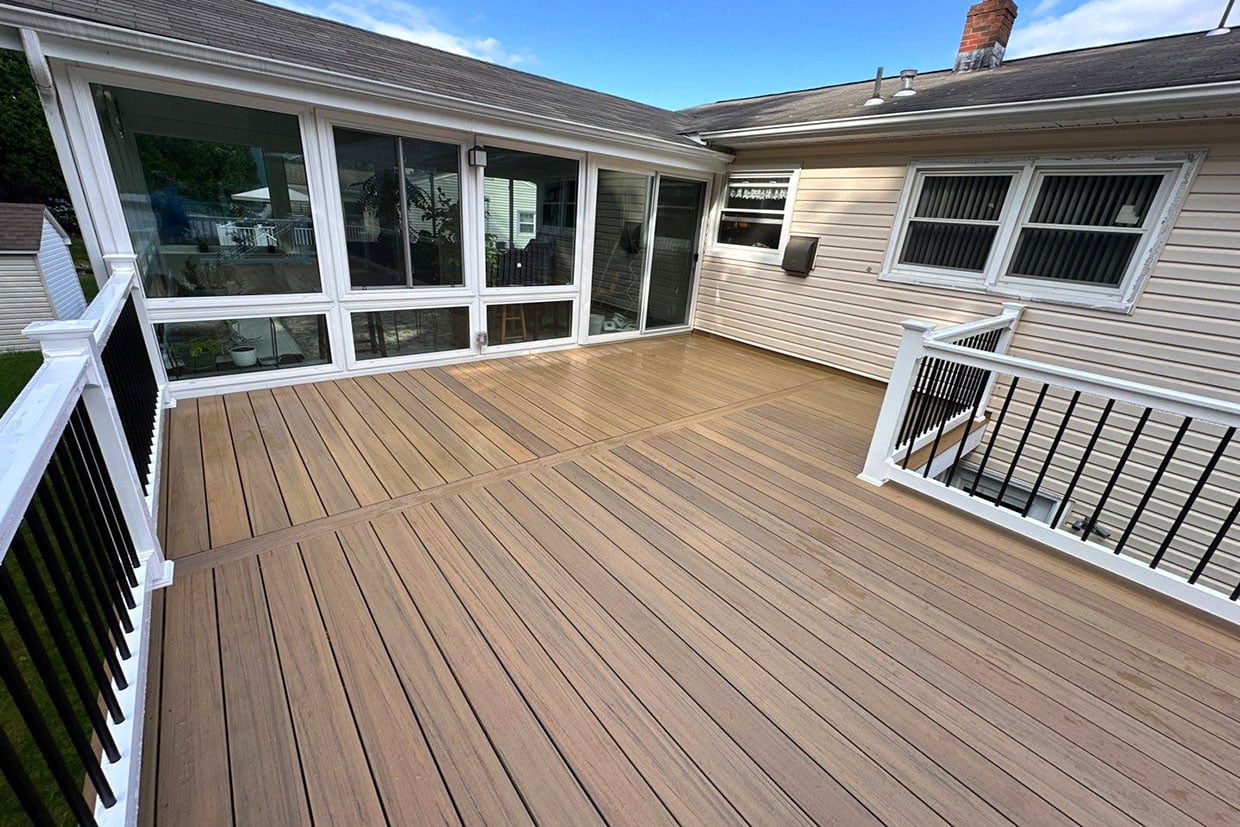
Composite decking is a popular choice for many homeowners due to its blend of practicality and aesthetics. Here are some of the specific benefits of choosing composite material:
- Durability: Composite decking is highly resistant to splintering, warping, and insect damage, which ensures a longer lifespan.
- Moisture Resistance: It’s engineered to resist moisture, preventing rot and mold that affect other materials.
- Aesthetic Appeal: Available in a variety of colors and finishes, composite decking closely mimics wood for an authentic look and polished appearance.
- Environmental Sustainability: Composite, often made from recycled plastic, is a greener alternative that reduces waste.
- Low Upkeep: Thanks to its low maintenance requirements, composite decking can last for decades with minimal effort.
Benefits of PVC Decking
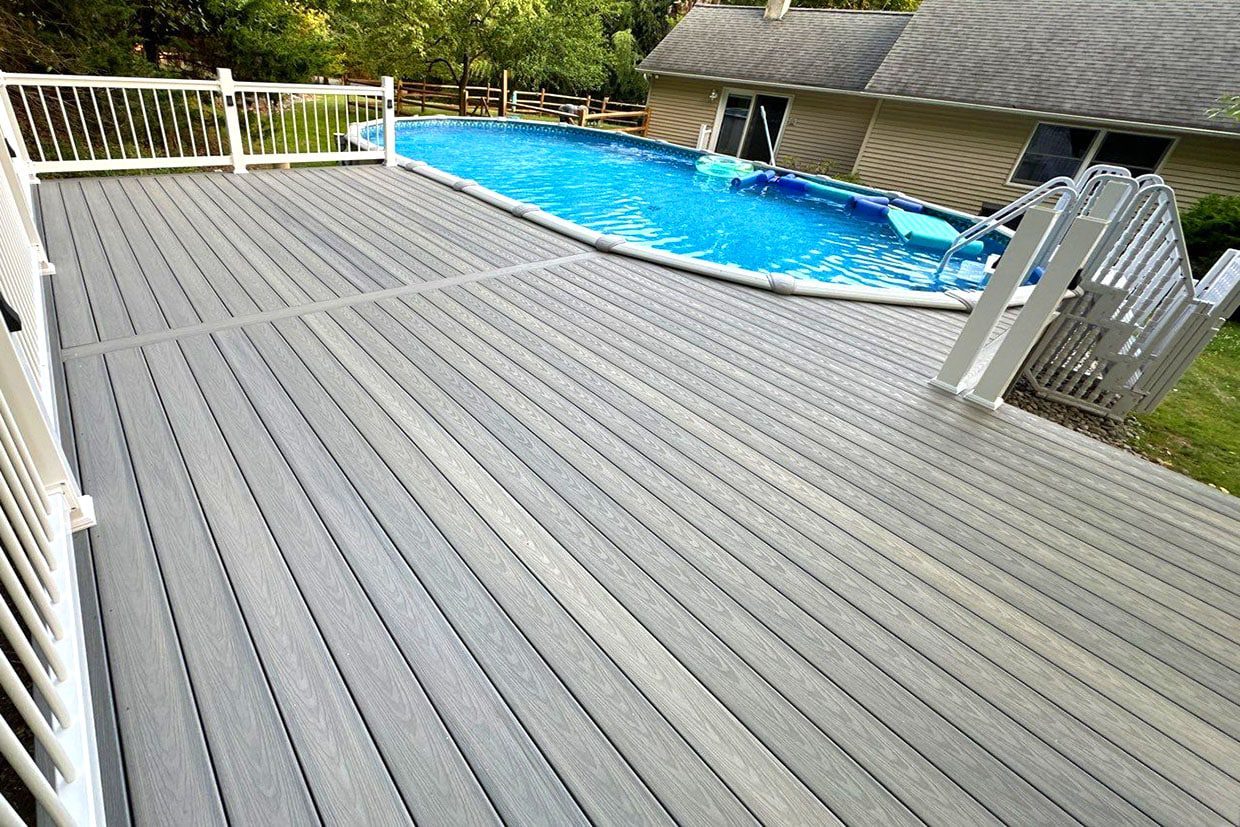
PVC decking offers high performance and durability, making it an excellent choice for homeowners looking for a long-lasting solution. Here are the key benefits of PVC decking:
- Cooler Surface Temperatures: PVC decking stays cooler than other materials in hotter climates, making it comfortable underfoot.
- Advanced Color Retention: The surface is designed to resist fading, even with temperature changes throughout the year.
- Flexibility in Design: With a variety of style options, PVC can replicate wood tones or provide sleek modern finishes.
- Superior Moisture Resistance: Its all-plastic core prevents rot and mildew growth without requiring sealing.
- Easy Maintenance: Similar to composite, PVC decking needs minimal cleaning, offering low maintenance requirements that make it a convenient choice.
PVC vs Composite Deck Material Options: Which to Choose?
Choosing between PVC and composite decking depends on your specific needs, lifestyle, budget, and aesthetic preferences. Here’s a summary of the strengths and potential drawbacks of each option to help you make an informed decision:
Composite Decking: This deck material mimics the look of natural wood, is often made from recycled materials, and requires minimal upkeep. However, its potential drawback is its upfront costs and heat retention.
PVC Decking: This deck material stays cooler underfoot in hot weather. It’s resistant to fading and moisture, and is easy to clean without requiring painting or sealing. Potential drawbacks of PVC include its being the pricier option and not looking as natural as composite decking.
Deciding between the two is a personal choice. But consider these factors when weighing your decision: your lifestyle, your budget, and your personal preferences. You can determine which decking material best fits your needs by weighing these factors. If you need some help to decide, contact the team at Olympic Decks, who will be more than happy to help walk you through the options.
Composite vs PVC Decking: Build Your New Deck With Olympic Decks
Deciding between PVC and composite decking depends on your specific needs and preferences. Both materials offer unique benefits and some drawbacks, but either choice will provide a durable and attractive deck. Consider your lifestyle, budget, and aesthetic preferences when making your decision.
For personalized guidance, contact the Olympic Decks team. We’re here to help you choose the perfect decking material for your home.

Olympic Decks is your Seattle area Deck Company, We specialize in all your Decking needs – new deck installation, deck resurfacing, louvered roof and cedar wood fence installation.


