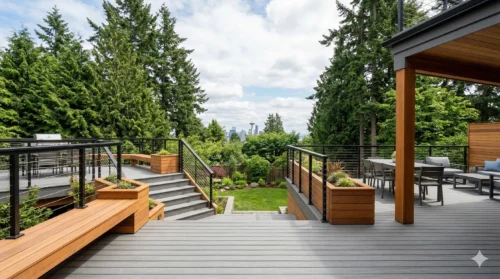
Olympic Decks shares professional deck layout strategies to help Seattle families design outdoor spaces that work beautifully for all ages
Across the Seattle area, more families are embracing multi-generational living, where grandparents, parents, and children all share one household. This lifestyle creates unique opportunities — and challenges — when it comes to outdoor spaces. A well-planned deck can serve as the central hub, giving every family member a place to relax, play, and gather together. The best deck configuration for families balances safety, comfort, and functionality, making it possible for toddlers, teens, and older adults to enjoy the outdoors side by side.
Thoughtful deck design and deck layouts go beyond aesthetics; they influence how smoothly daily life flows in a shared household. For example, a dining space large enough for weekend gatherings might sit next to a quieter zone where grandparents can enjoy morning coffee. A shaded seating area can provide shade and comfort for older adults. Families also benefit from open sightlines that let parents keep an eye on children without constant interruption.
Whether you’re building a new deck or reimagining your outdoor space for family harmony, creating a “dream deck” that works across generations is achievable. Olympic Decks, a trusted Seattle-area deck company, can help families design and install decks that combine beauty, safety, and function. In this guide, we’ll explore deck planning strategies, essential zones, material considerations, and design tips tailored to Pacific Northwest living, so your family’s outdoor space becomes both functional and memorable.

Planning your dream deck for family harmony
Before construction begins, thoughtful deck planning is the foundation of a successful family-friendly outdoor space. Every household is different, and the right deck configuration can make the difference between daily harmony and constant conflict. For example, when zones are well-defined, children can play safely while adults enjoy quiet relaxation — without one group disturbing the other.
When considering a new deck, families should weigh whether starting fresh or renovating an existing space better meets their needs. Assessing the household dynamic is key. How many people live in the home? What are their age ranges? Do they need areas for active play, outdoor dining, or peaceful reading nooks? Accessibility is equally important, especially for grandparents who may require safe railings, ramps, or wider pathways. A proper deck design ensures that zones work for every age group, while a professional deck designer can help optimize flow and accessibility.
A successful layout for deck projects also accounts for Seattle’s climate. Covered spaces, weather-resistant materials, and strategic drainage allow year-round enjoyment despite rain and damp winters. Budgeting realistically is another critical step; creating a materials list ensures families understand the cost of built-in seating, heating elements, or decking upgrades.
Understanding the deck building process helps ensure your family’s needs are addressed from design to completion. With careful planning, the right deck configuration will transform your vision into a long-lasting dream deck, perfectly balanced for every generation in your home.
⭐⭐⭐⭐⭐
“Excellent company. They demolished and rebuilt our deck, and the work was top-notch. The crew was very clean, detailed, professional, and worked fast. They built a 21 x 13 deck using all Trex Transcend composites and railing, including a staircase. Throughout the process, communication was great and all my questions were answered promptly. The cherry on top was they were very competitively priced. I call Olympic Decks the “Decking All-Stars” – it was a pleasure to have them, and we’re very pleased with the final result!”
– Ken G.
Essential zones for multi-generational deck designs
Successful deck layouts aren’t just about shape or size — they’re about creating zones that serve the diverse needs of every generation in the home. A thoughtful deck design separates activity areas while maintaining open sightlines, allowing families to connect without stepping on each other’s comfort.
For children, a safe play zone near the deck edge or corner keeps activities contained while staying within view of adults. This area can feature soft flooring materials or railings for added security. For grandparents or adults seeking calm, a shaded seating area with accessible furniture provides comfort and safety. Some families include a hot tub in the adult relaxation area for year-round enjoyment. The heart of any family deck is the dining or gathering space, sized generously for shared meals, birthdays, and holiday celebrations. Incorporate planter boxes to separate spaces without physical barriers.
Smooth traffic flow between these zones prevents bottlenecks and accidents, while flexible layouts let spaces adapt as families grow. For inspiration on effective zoning, explore our portfolio of completed family deck projects throughout the Seattle area.
New deck pattern ideas for visual zoning
Sometimes, structure isn’t the only way to define spaces — flooring design can help too. Modern deck pattern ideas allow families to distinguish functional areas without walls or railings. For example, alternating a straight decking pattern in the dining zone with diagonal boards in the play area creates subtle separation.
When installing a deck, consider border patterns such as picture-frame edges to frame specific zones or herringbone and chevron layouts for high-traffic gathering spaces. These approaches not only add visual interest but also guide movement naturally. Mixing decking directions offers multiple design options for visual appeal. Contractors in Seattle often recommend durable, low-waste patterns that maximize materials while enhancing long-term usability. With smart design, deck ideas make it easy to create zones that look beautiful while serving practical family needs.
Layout strategies for different property sizes
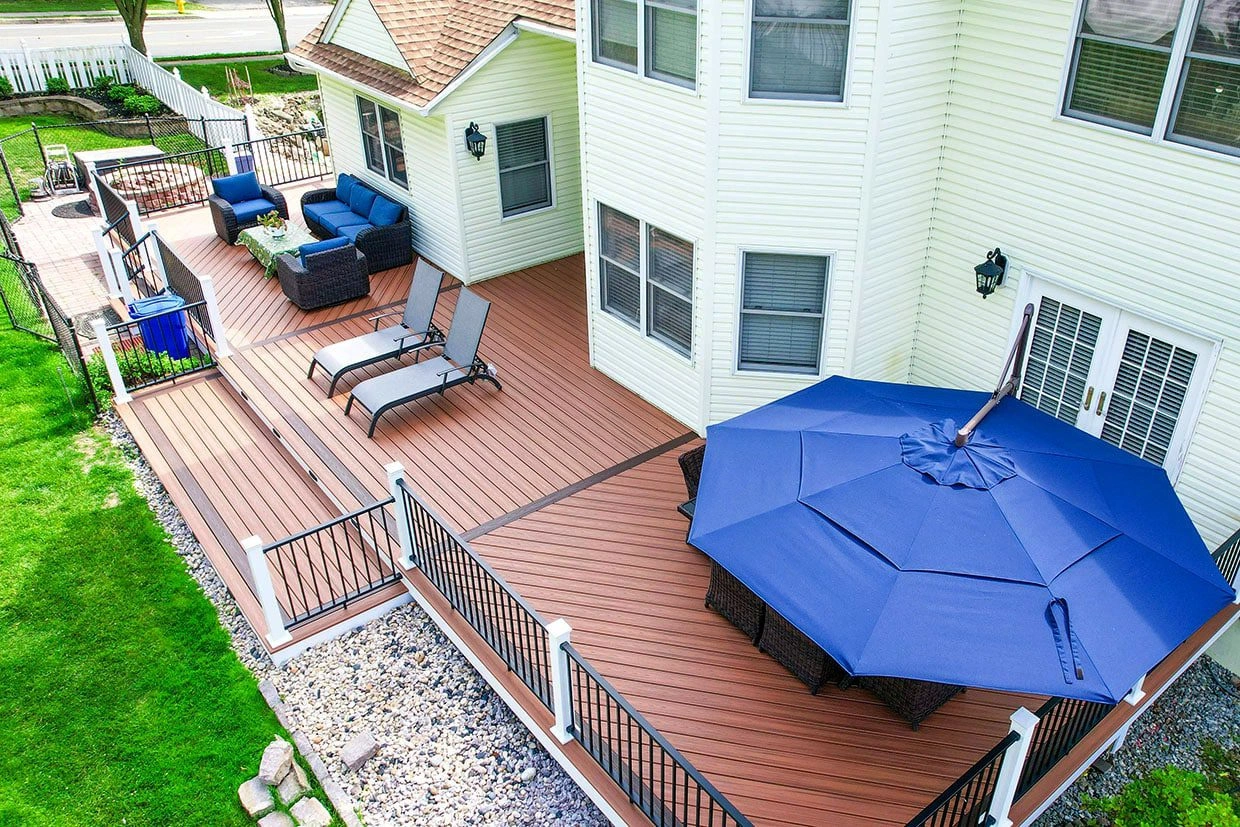
Every family home is different, and the right layout for deck projects depends heavily on property size and shape. Fortunately, there are creative approaches that work well across Seattle’s diverse neighborhoods.
Small urban lots (like Ballard or Fremont) often benefit from vertical solutions. Multi-level decks maximize limited square footage, while corner-wrap layouts help make use of L-shaped yards. Built-in seating is another smart choice, saving floor space while still providing plenty of gathering spots.
Medium suburban properties (in Bellevue, Redmond, or Renton) have more flexibility. An L-shaped layout for deck can connect multiple home entry points, while wraparound decks expand usable space. These homes can dedicate zones more clearly — for example, one for outdoor dining and another for children’s activities — without overcrowding.
Large properties (such as rural King County or waterfront homes) offer opportunities for truly expansive designs. Families can layout a deck with separate satellite zones connected by pathways, blending outdoor living with natural features like gardens or water views. This style of deck building integrates the home with its environment while still maintaining functional family zones.
Seattle-specific considerations are essential. Many homes sit on slopes, requiring strategic design to ensure stability. Regulations protect significant trees, and setback requirements may impact final dimensions. Still, with creative planning, families can maximize their usable space while ensuring every generation has room to enjoy.
Start planning your family’s deck today — contact Olympic Decks!
Choosing composite decking for family durability
When planning a multi-generational deck, material choice can make or break its long-term success. For families juggling busy schedules, composite decking is often the most practical solution. Unlike natural wood, it won’t splinter — making it safer for barefoot children — and it resists rot, moisture, and insects, all common concerns in Seattle’s damp climate.
Maintenance is another major advantage. Composite decking requires no annual staining or sealing, and cleaning is as simple as a quick rinse. This ease of care is especially valuable for households where multiple generations share responsibilities, leaving little time for ongoing upkeep. Longevity is another selling point, with many products lasting 20–30 years.
Already have a deck? Consider deck resurfacing with composite materials to upgrade durability without complete reconstruction. This approach gives existing structures a fresh, modern feel while adding decades of reliable performance.
Families also enjoy the design flexibility. From natural wood-look boards to modern color blends, composites can support unique aesthetics. Enhanced grains mimic cedar or oak, while varying plank widths allow for eye-catching composite deck pattern arrangements. Some homeowners even mix widths or tones, creating customized composite deck pattern layouts that distinguish different zones while keeping maintenance low. The final product is a durable, low-maintenance deck that serves every generation. Compared to traditional wood, composites may cost more upfront but provide significant lifetime savings — a smart investment for any multi-generational household.
Compared to traditional wood, composites may cost more upfront but provide significant lifetime savings — a smart investment for any multi-generational household.
Decking boards design considerations for accessibility
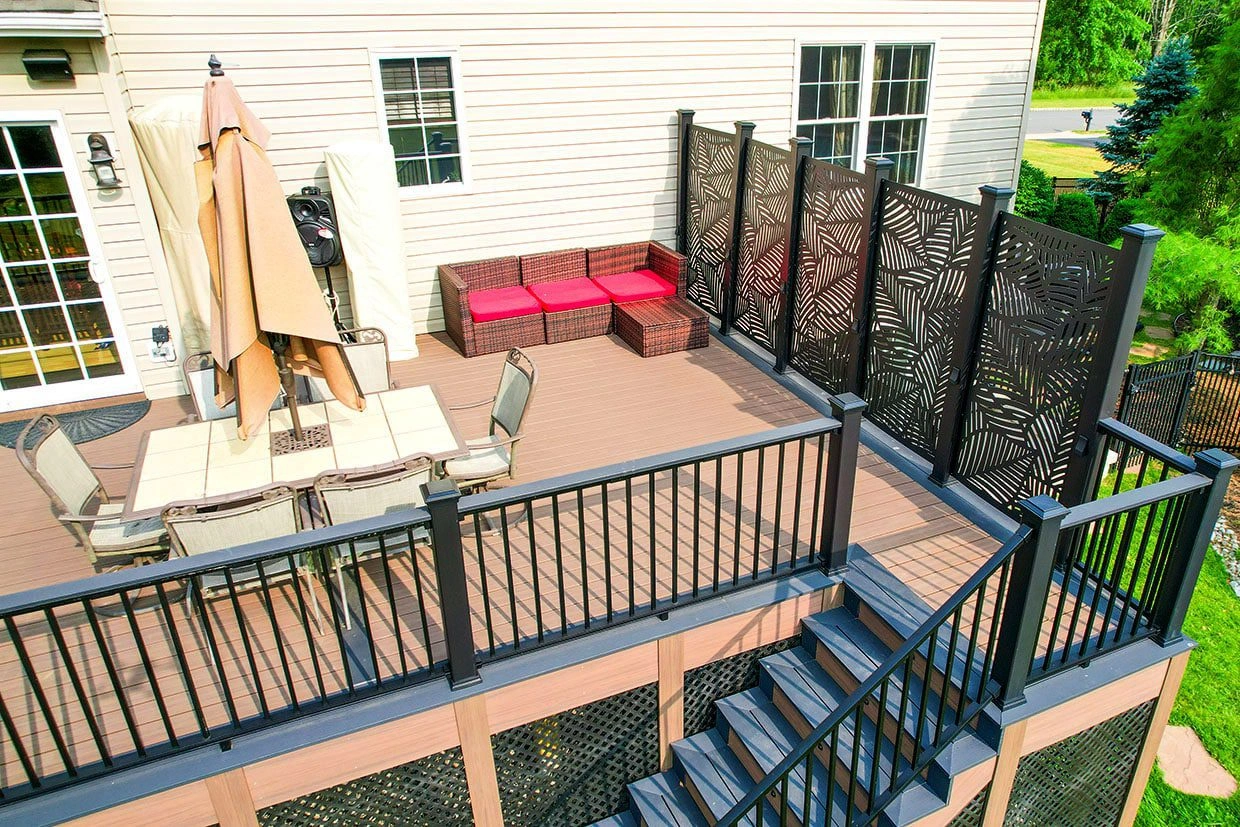
When creating a multi-generational deck, accessibility should be designed from the beginning rather than added later. Smart decking boards design choices ensure safe, comfortable use for everyone in the household.
Board spacing plays a major role — gaps of ¼ inch or less prevent walker or wheelchair wheels from catching. Visual clarity is equally important — contrasting border boards help elderly family members distinguish step edges, especially in low light. Textured finishes add slip resistance, essential in Seattle’s wet weather, while still being smooth enough for mobility aids.
Board orientation also contributes to stability. Wider boards can minimize transitions, while consistent alignment improves navigation. By focusing on thoughtful decking boards design, families create a space that remains welcoming and functional for all ages and mobility levels.
Designing with ADA guidelines for residential accessibility in mind ensures that your deck is safe and usable for everyone, meeting recommended standards for spacing, slope, and accessibility.
How to lay out a deck with mobility in mind
Designing for accessibility starts with careful planning. To know how to lay out a deck, begin by measuring mobility equipment such as walkers or wheelchairs. Pathways should be at least 36 inches wide for passage and 60 inches at turning points.
When you layout a deck for accessibility, keep routes simple and direct. Ramps are preferable to steps for wheelchair users, with safe slopes at a 1:12 ratio. Handrails should be placed for support but without obstructing traffic flow.
Integrating rest areas near seating zones ensures older adults can pause comfortably. Finally, align deck entries with accessible home doors — at least 36 inches wide — for smooth transitions. These steps make mobility-friendly decks practical and inclusive for every generation.
Ready to enjoy a safe, functional, and beautiful deck? Get your free estimate now!
Working with a deck designer for custom solutions
While some families may consider a DIY approach, hiring a professional deck designer like Olympic Decks often delivers the best results for multi-generational homes. Complex projects — like multi-level layouts, hillside construction, or accessibility-focused builds — require technical expertise to ensure safety, durability, and compliance with Seattle building codes.
A skilled deck designer brings more than construction knowledge. They understand how families move through spaces, creating layouts that balance play zones, quiet seating, and dining areas seamlessly. Many offer 3D visualizations, allowing homeowners to preview how a design will function before construction begins.
When choosing a designer, ask about their experience with family-oriented decks, accessibility features, and local permitting. A professional can recommend weather-appropriate materials, manage the timeline, and anticipate challenges unique to the Pacific Northwest. With their guidance, your deck becomes not only beautiful, but perfectly tailored to your family’s lifestyle.
Conclusion: Creating your ideal family deck
Designing a multi-generational deck is about more than aesthetics — it’s about creating a space that works for every member of your household. Thoughtful deck planning prevents future conflicts, while proper zoning ensures toddlers, adults, and grandparents each have areas tailored to their needs. Material choices, like composites, enhance safety and reduce long-term maintenance, giving families more time to enjoy the outdoors.
Using smart deck pattern ideas for multi-generational spaces can define zones visually, creating flow without walls or barriers. Involving all family members in the process ensures everyone’s needs are met — children can share preferences for play areas, adults can guide entertaining zones, and elderly family members can weigh in on accessibility.
Before beginning construction, check local Seattle and King County permit requirements to avoid surprises. Whether you tackle the project yourself or hire professionals, start with a solid plan.
Ready to create your multi-generational deck? Get a free estimate from Olympic Decks to start planning your family’s perfect outdoor space.

Olympic Decks is your Seattle area Deck Company, We specialize in all your Decking needs – new deck installation, deck resurfacing, louvered roof and cedar wood fence installation.