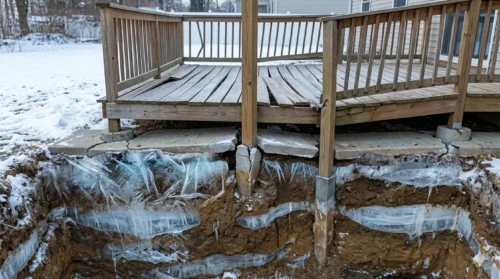
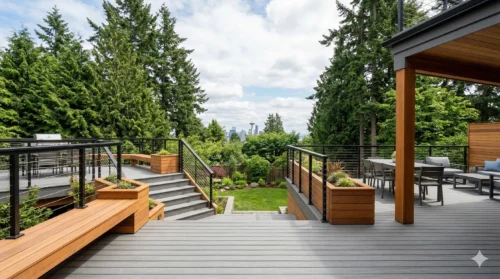
Olympic Decks shares professional tips for building safe, pet-friendly decks in the Pacific Northwest 🐕🐈
Designing a safe and cozy pet deck isn’t just a nice touch — it’s essential for pet owners who want to share their outdoor space with furry companions. From adventurous cats to energetic deck dogs, your pets deserve a secure and comfortable surface where they can roam freely without risk. Common issues like splinters, unstable railing, and surfaces that overheat in summer can make decks hazardous for pets.
That’s where thoughtful planning and the right materials come in. Seattle’s rainy, humid climate can worsen these problems, making pet-friendly deck flooring a must. Slip-resistant, weatherproof surfaces that stay cool under paws help prevent injuries and discomfort. Whether you’re creating a brand-new dog deck or making improvements to an existing space, safety should be your top priority.
Working with professional deck builders who understand the needs of pets and their people ensures long-term peace of mind. From selecting the right flooring to fencing and furniture, the right choices matter. Understanding the deck building process also helps homeowners identify key safety features and comfort upgrades from the start.
In this article, we’ll guide you through the essentials: flooring options, fencing for safety, and how to create inviting comfort zones your pets will love.
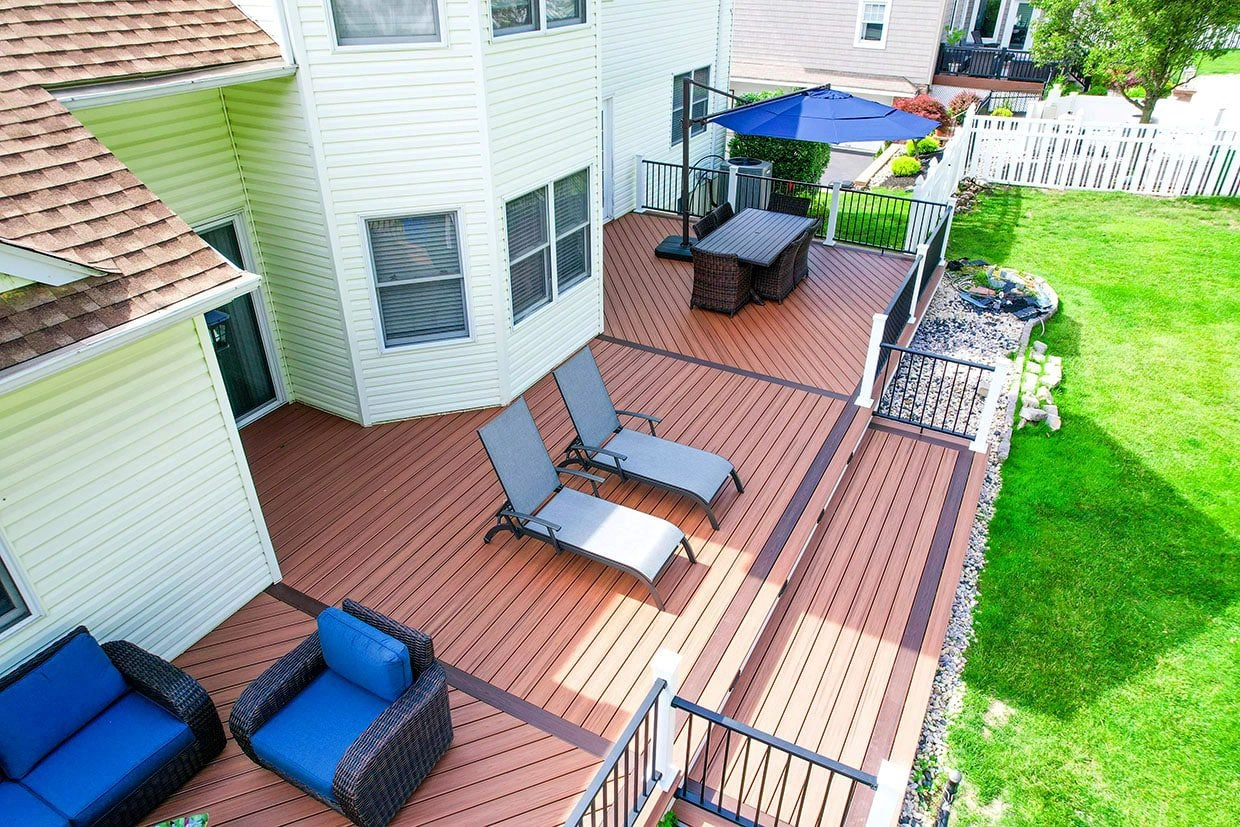
Choosing the right deck boards and flooring materials for your dog deck
When it comes to building a safe and comfortable dog deck, your choice of flooring plays a major role in both safety and long-term durability. Not all deck boards are created equal — some become dangerously hot under summer sun, while others may splinter, posing hazards for paws.
In Seattle’s climate, where rain and humidity are frequent, moisture resistance is just as critical as comfort. Whether you’re starting from scratch or planning a resurfacing, investing in pet-friendly deck flooring ensures your pets can use the space year-round.
To make the best decision, work with experts who understand choosing the right decking for both pets and the Pacific Northwest weather.
In this section, we’ll explore three main flooring options: composite materials, natural wood, and climate-based considerations like temperature control and traction.
Trex decking and composite options for durability
For pet owners focused on long-lasting, low-maintenance solutions, composite materials like Trex composite decking are a top choice for dog decking. These boards are splinter-free, resist mold and mildew, and don’t retain as much heat — important for paw safety during sunny days.
Trex is one of the most pet-friendly brands on the market. Options like Trex Transcend® and Trex Enhance® offer textured surfaces for traction, rich color choices, and long-term durability. Other brands like Fiberon and TimberTech also use high density plastic resins to enhance scratch resistance and weather protection.
Composite decking is a smart move during any deck building project if you’re thinking about long-term safety and comfort for your pets. Another benefit? Composites don’t require annual staining or sealing, which reduces exposure to harsh chemicals. While the upfront cost is higher, the long-term savings and pet safety benefits often outweigh the initial investment.
Already have a wood deck? Deck resurfacing with composite materials can upgrade your space without a full rebuild — perfect solution for modernizing with pets in mind.
Natural wood deck boards and pet-safe treatments
If you prefer the look and feel of natural wood for your dog deck, options like cedar and redwood offer natural resistance to decay and pests. However, choosing the right deck boards goes beyond aesthetics — safety and maintenance matter, especially with pets in the mix.
To keep your wood deck pet-safe, use non-toxic deck finishes for pets and avoid chemical-heavy sealants that could harm other animals. Look for pet-safe deck staining products that protect the wood while ensuring a toxin-free surface for paws and noses.
For example, using a water based stain can seal the wood effectively while minimizing fumes and drying time. If your deck needs color refreshment, remember it’s easy to re stain older boards without harming your pet’s health.
Want ideas for real-world inspiration? Check out our completed projects to see how natural wood decks can be both stylish and safe for pets.
Proper sealing and regular maintenance are essential to prevent splinters and warping over time.
Temperature and traction considerations
Heat and moisture can significantly affect the safety of your dog decking — especially during Seattle’s fluctuating seasons. In summer, direct sunlight can make deck surfaces too hot for sensitive paws. Choosing materials with lower heat retention and installing a ventilated deck base can help keep things cooler.
For wet or icy days, traction becomes critical. Smooth surfaces can become dangerously slippery, so choose textured finishes or a non skid surface treatment to improve grip. This is especially helpful if your deck frame includes stairs or ramps.
Also, consider the best deck material for snow if your area experiences occasional winter storms. Materials with unique construction and good freeze-thaw resistance will last longer and stay safer underfoot.
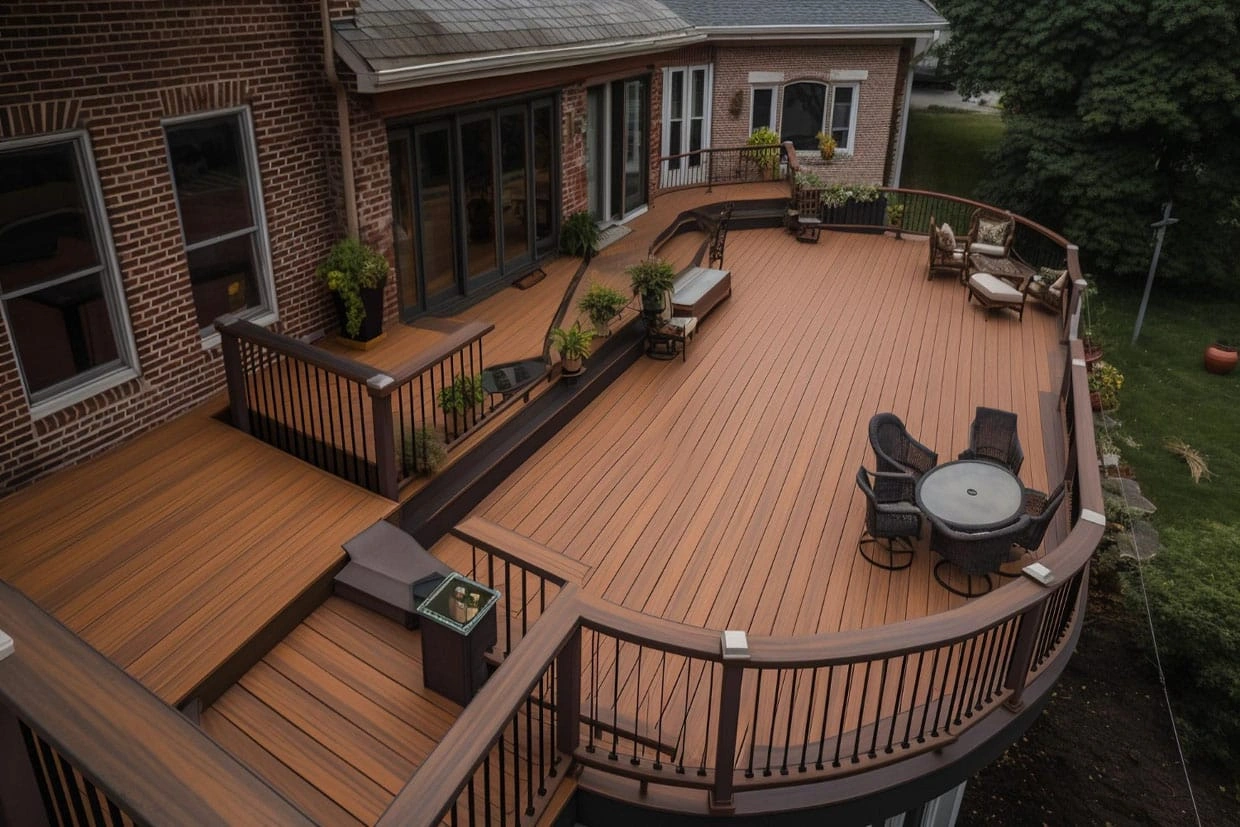
Installing secure deck fencing for your pet deck safety
No pet deck is truly complete without proper fencing. Whether you have a curious cat or an energetic pup, a secure perimeter is essential to prevent falls, escapes, and unwanted wildlife intrusions. Deck fencing for pets not only provides peace of mind but also defines the space as a safe zone for your pets to relax and play.
Height, spacing, gate security, and materials all play key roles in making your deck safe. Each pet has different needs — dogs require sturdy barriers, while cats may need vertical or covered enclosures.
To ensure lasting results, consider working with professionals who specialize in custom fencing solutions designed specifically for safety and style.
Fence height and gap spacing for deck dogs
The right fencing design depends on your pet’s size and agility. For deck dogs, fence height should be at least 36 inches for small breeds and up to 48 inches or more for larger, more athletic dogs. The goal is to prevent jumping or climbing, while still keeping the space visually open and inviting.
Equally important is the gap spacing between slats or rails. Keep gaps at 4 inches or fewer to prevent small dogs — or kittens — from slipping through or getting stuck. Cats, on the other hand, pose a different challenge. Creating a cat deck may require enclosed tops or overhangs, since felines are skilled climbers and jumpers.
When choosing dog-friendly deck materials for fencing, opt for smooth finishes and weather-resistant products like vinyl, powder-coated aluminum, or sealed wood. From horizontal slats to traditional pickets, explore fencing options that complement your home while keeping your pets secure.
Gate systems and emergency exits
A well-designed gate system is vital for security and ease of use. Choose gates with self-closing hinges and lockable latches to prevent clever pets from pushing their way out. These small additions can make a big difference in maintaining control over your outdoor space.
Consider how the gate fits into your overall deck frame. For instance, gates attached to weaker or improperly aligned posts may sag or fail over time. During the deck building phase, reinforce gate posts and add diagonal bracing to ensure long-term stability.
It’s also smart to include an emergency exit or alternate entry point — especially in multi-level decks. This adds flexibility in case of injury, severe weather, or blocked access.
Work with your contractor to ensure the deck frame integrates to gates seamlessly and meets both safety codes and pet needs.
⭐⭐⭐⭐⭐
“I just wanted to give a shoutout to Olympic Decks and the fantastic job they did on our backyard deck replacement. A 3-day turnaround. The craftsmanship FAR surpasses the original deck construction. Great communication, professionalism, and free estimate (with color choice samples available to view). Full cleanup as well. Reasonable in cost (not the cheapest but not the most expensive bid we received either). One of the better contracting services I’ve worked with. Highly recommend.”
– Steve S.
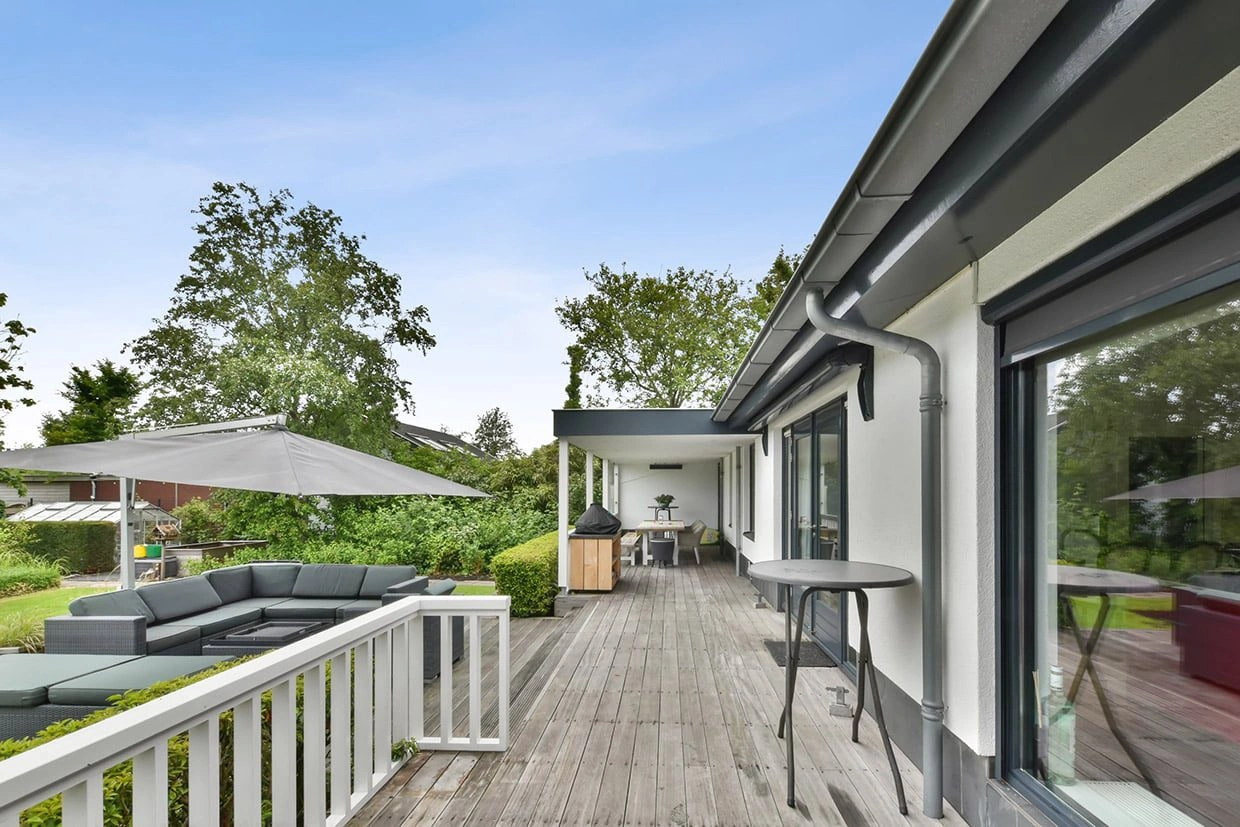
Creating comfortable zones on your pet-friendly deck (including kennel or dog cage placement)
A deck for dogs and other pets shouldn’t just be safe — it should also be a place they enjoy spending time. Thoughtful design can transform a basic deck into a space your pets use every day, whether it’s lounging in the sun or relaxing in the shade.
Comfort zones give pets structure, reduce anxiety, and help avoid messes or damage to furniture. Water access, dedicated rest spots, and shelter from sun or rain all contribute to their well-being.
From cat-friendly deck design ideas to integrating a kennel or dog cage, you’ll find that comfort is just as important as safety when building your perfect pet deck.
Shade and cooling solutions for your kennel deck
Seattle summers might be mild compared to other regions, but when the sun does come out, your dog deck needs adequate shade to keep pets comfortable and safe. Heat exposure can lead to serious health issues for deck dogs, especially if they spend extended time outside.
Adding a kennel deck area under a pergola or awning can offer consistent relief. You might also consider louvered roof systems, which are adjustable shade solutions that allow you to control sun exposure throughout the day.
For additional cooling, use elevated pet beds, cooling mats, or even misting fans on particularly hot days. Ensure your kennel or resting area is placed in a shaded corner, with air circulation beneath it to reduce heat build-up. A ventilated area under the deck can make a big difference in regulating ground temperatures and keeping your pets comfortable.
Water access and food stations
No matter the season, your pet deck should always provide easy access to clean water and a designated feeding area. Staying hydrated is crucial, especially for deck dogs who love to sunbathe or play outdoors.
Choose a corner of the deck that’s away from foot traffic to place bowls or feeding stations. Use non-slip mats to prevent sliding and consider elevated feeders for larger dogs or older pets with joint issues. Bonus points for adding a storage bench nearby to keep pet food, treats, and cleaning supplies handy.
Seattle’s rainy climate also means you’ll need proper drainage solutions. Any spilled water should flow away from wood surfaces to prevent rot or mold. Thoughtful planning ensures these necessities blend seamlessly into your deck design.
For inspiration on well-integrated pet zones, see how we design safe and stylish feeding areas in real homes.
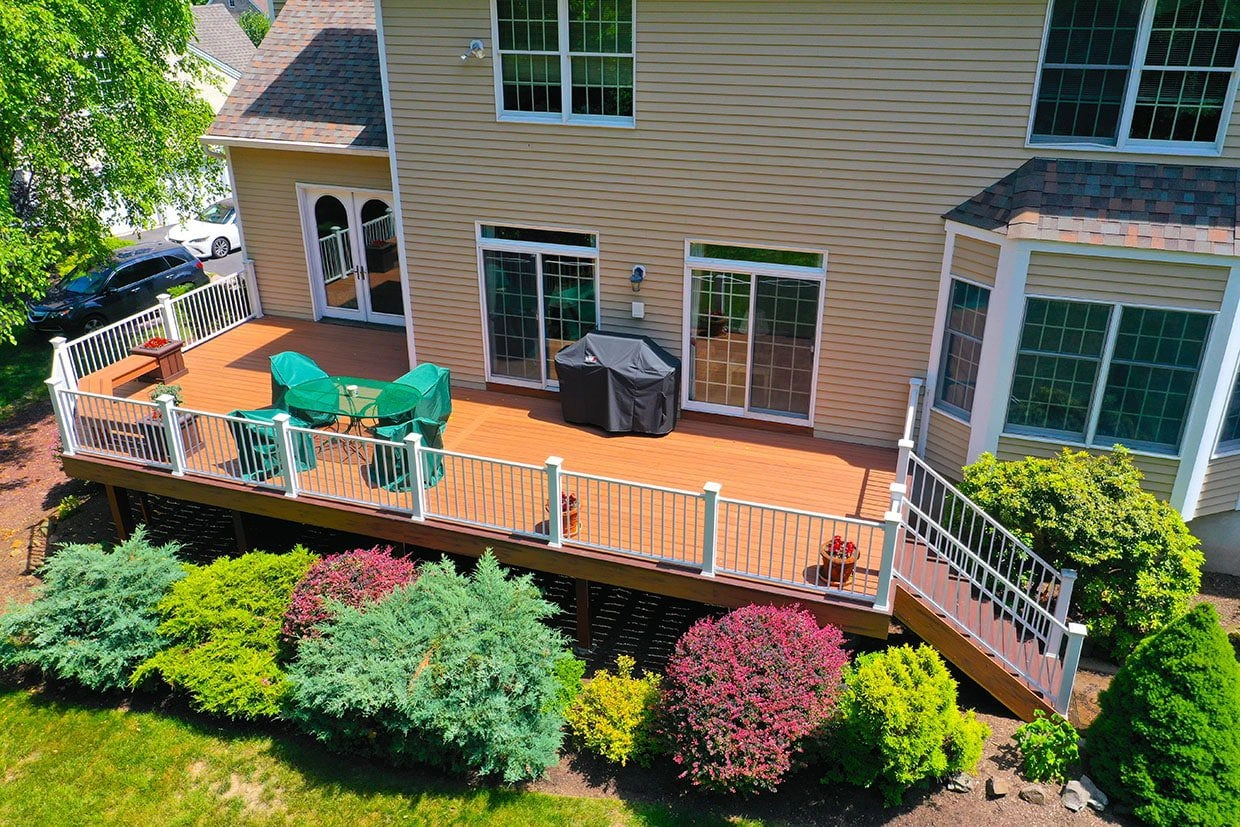
Maintaining your pet-friendly deck boards and surfaces
Your pet deck sees a lot of activity — scratching paws, spills, weather exposure, and more. That’s why consistent upkeep isn’t just about aesthetics; it’s about safety and longevity. Well-maintained deck boards are less likely to splinter, rot, or become slippery — making your deck safer for both pets and people.
Seattle’s wet climate adds another layer of complexity. Moisture buildup can lead to moss, mildew, and long-term structural damage if left unchecked. Understanding how to clean deck surfaces properly and knowing when to refinish or repair are essential parts of pet-friendly deck ownership.
Regular cleaning and inspection of deck boards
Cleaning your deck regularly is the first line of defense in maintaining a pet-safe space. Weekly sweeping and monthly washing can prevent dirt, pet hair, and debris from building up — especially if your dog decking sees frequent use.
Use a pressure washer on a gentle setting and a clean and proper solution for removing stains or buildup safely. A soft brush or roller can help you reach corners, while a sprayer makes application of sealants easy.
After cleaning, rinse thoroughly with a hose to remove residue. Let the surface soak briefly and ensure it’s not too thin or exposed to sun while drying, as this could cause the wood to absorb excess moisture unevenly and break the finish.
If surface finishes begin to fade or wear unevenly, it may be time for fresh deck staining — a solid stain works well for durability and color consistency, especially in high traffic areas. For tougher issues, consider calling in professional maintenance to preserve your deck’s safety and appearance.
Periodic maintenance and refinishing
Even the most durable decks need occasional upkeep. For wood surfaces, staining deck boards every 2–3 years protects against moisture and UV damage — especially important in Seattle’s climate.
Look for signs like faded color, water pooling, or peeling finish. These could indicate it’s time for a deck renovation, which may include sanding, sealing, or replacing damaged boards. Always choose pet-safe deck staining products that are free from toxic VOCs or solvents.
Don’t overlook your deck base — rot or shifting supports can compromise the entire structure. Need inspiration? See our deck resurfacing project in Tacoma for an example of how maintenance upgrades can completely transform a pet-friendly deck.
Working with Seattle deck builders ensures your deck is designed and maintained to withstand Pacific Northwest weather — while keeping your pets safe year-round.
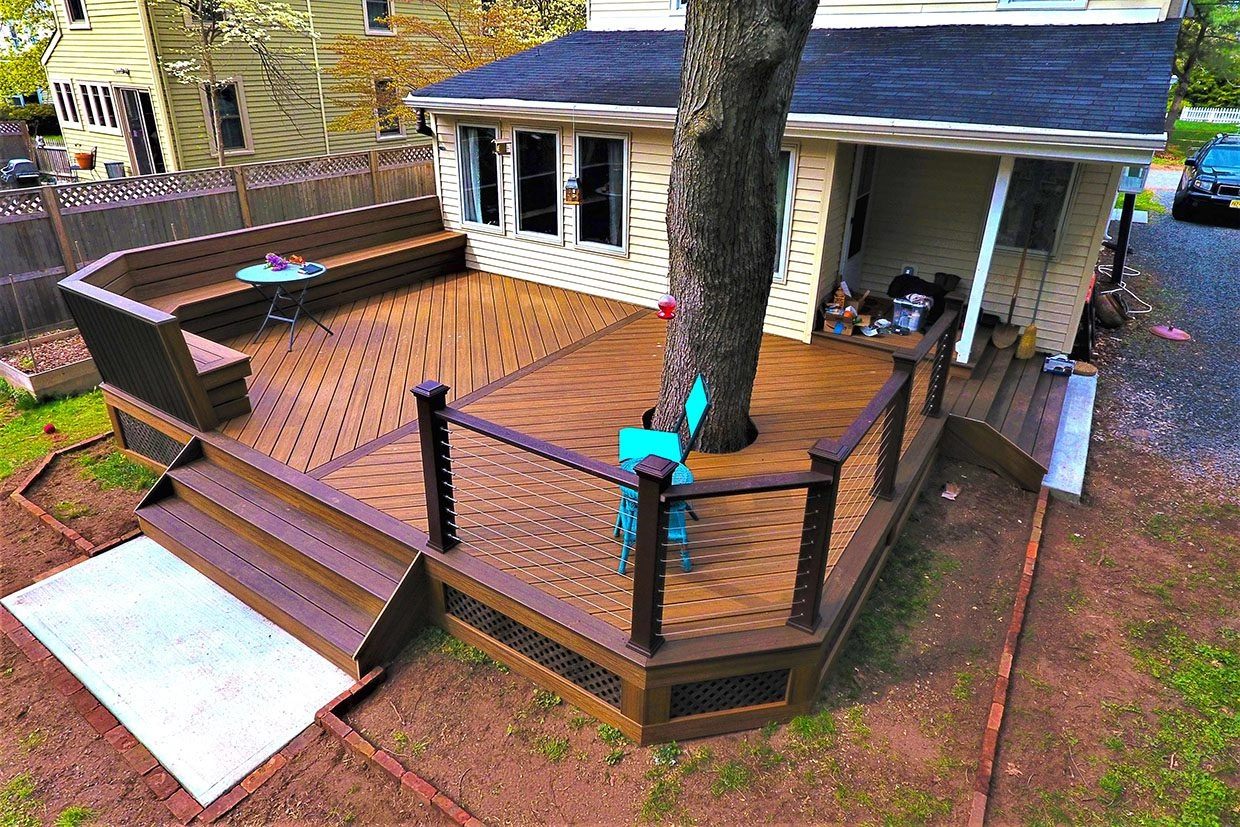
Conclusion
Creating a secure and welcoming pet deck is more than a nice-to-have — it’s a true investment in your pet’s well-being and your peace of mind. From choosing the right flooring materials to thoughtful fencing and cozy comfort zones, every detail matters. With the right approach to deck building, you can design a space where both you and your furry companions feel at home.
Regular upkeep like cleaning, refinishing, and inspections ensures your dog deck remains safe year-round — especially in Seattle’s damp climate. If you’re unsure where to start, Olympic Decks offers expert help from design to installation.
Get a free estimate and let our team bring your vision to life. We offer exclusive warranty protection for long-term peace of mind and financing options available to help fit your budget.
Your pets deserve a deck that’s not only beautiful — but built for them.

Olympic Decks is your Seattle area Deck Company, We specialize in all your Decking needs – new deck installation, deck resurfacing, louvered roof and cedar wood fence installation.