
Guide To Building a Floating Deck: How To & Expert Tips
Have you ever wondered what a floating ground level deck is? Unlike traditional decks that are attached to a house, a floating deck stands alone, similar to a big outdoor platform. Floating decks are simpler to build than regular decks as they don’t require digging deep holes or attaching the structure to a house.
In this guide, put together by Olympic Decks in Seattle, we will help you understand everything about these structures, including how to build a floating deck, the materials you’ll need, and some helpful tips to get you started.
Advantages of Building a Floating Deck
A floating deck is a type of deck that isn’t attached to a building. It “floats” above the ground, supported by concrete footings or other sturdy foundations instead of being anchored deeply into the ground with footings. Some advantages of floating decks over traditional decks:
- Easier to build. Floating decks are simpler to construct because they don’t require digging deep holes or attaching the structure to a house.
- Flexible location. You can build a floating deck almost anywhere in your yard, which makes it a great choice if you want a deck in a spot that’s not right next to your house.
- Cost-effective. Generally, they can be less expensive since they require fewer materials and less labor to build.
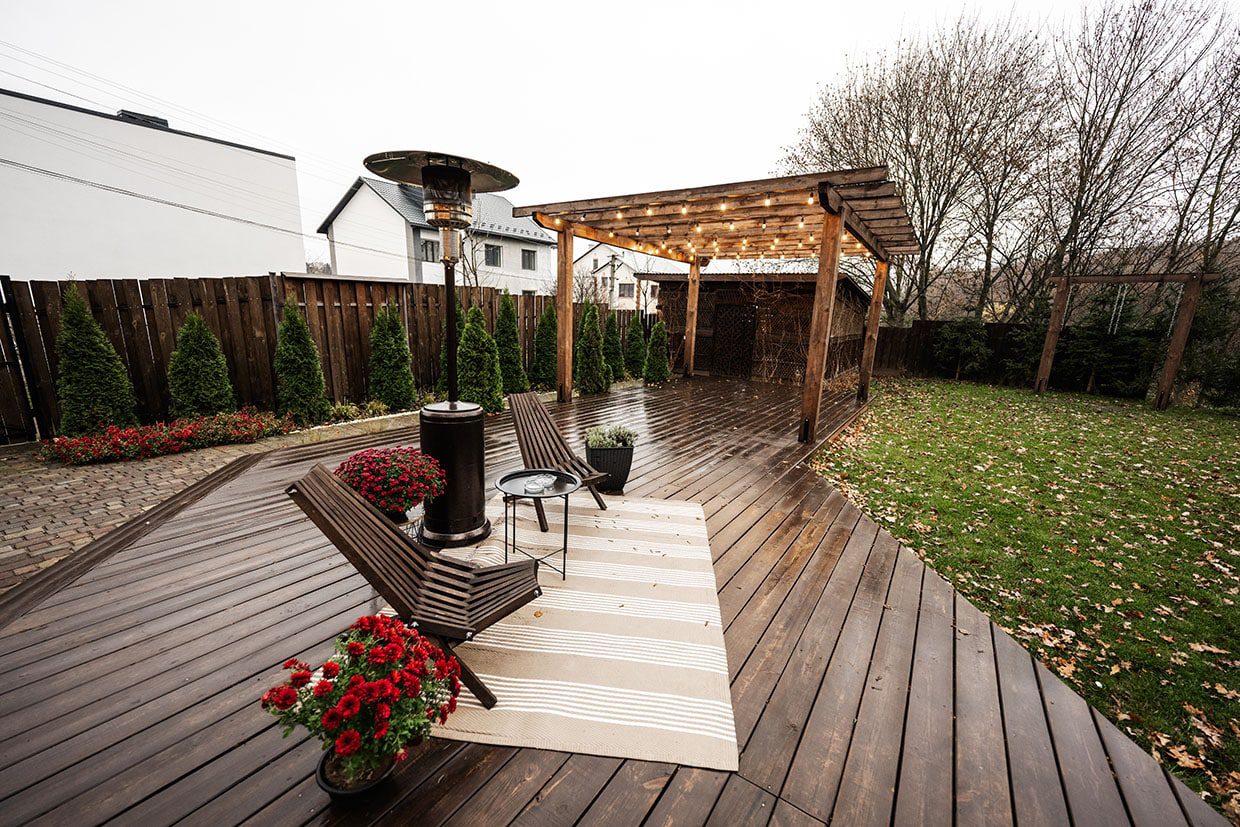
Planning Your Floating Deck
First, you need to know your local codes and permits. Local building codes ensure that your deck’s design, location, and construction methods meet safety standards. They may dictate the size and materials you can use, including trim options like fascia boards that create a neat edge.
Most localities require a permit for deck construction. Getting a permit involves submitting your deck plans for approval and possibly having inspections conducted during and after construction.
Following these rules helps avoid legal issues and ensures your deck is safe and durable. It also avoids potential fines or having to rebuild parts of your whole deck.
Proper planning and understanding of local regulations are crucial steps in building a floating deck. If you have any questions, please contact Olympic Decks. Our team of experts is here to help you design and build the perfect deck for your space so that all local codes and permits are handled with care.
Tools and Materials for Building a Floating Deck
To successfully build a floating deck, you’ll need some specific tools and materials that ensure the structure is sturdy, level, and aesthetically pleasing. Here’s a streamlined list of essentials to get the job done:
- Circular Saw: To cut lumber to the required lengths.
- Measuring Tape: Essential for accurate measurements throughout the project.
- Speed Square: Helps in marking precise angles and measurements.
- Corded Drill: Provides reliable power for drilling holes, especially in tougher materials.
- Cordless Drill/Drivers: Useful for quickly driving screws during assembly.
- Level (4-foot): Crucial for ensuring all components of the deck are perfectly horizontal or vertical.
- Shovel: For preparing and leveling the site.
- Wheelbarrow: To transport materials like gravel and tools around the work area.
- Rubber Mallet or Tamper: Useful for setting deck blocks firmly in place.
Now, don’t forget the materials you will need to build a DIY floating deck:
- Deck Blocks: These provide a stable foundation and make it easier to level the deck below the frost line, ensuring it doesn’t shift in cold weather.
- Pressure-Treated Lumber: Used for the frame and the deck surface; it resists rot and insect damage.
- Decking Boards: The visible surface of the deck, available in wood or composite materials.
- Screws and Fasteners: Corrosion-resistant options are best for outdoor and pressure-treated materials.
- Gravel: Helps level the ground under deck blocks and facilitates proper drainage.
This list focuses on the essentials, ensuring you have everything needed to build a durable and attractive floating deck without overcomplicating the process.
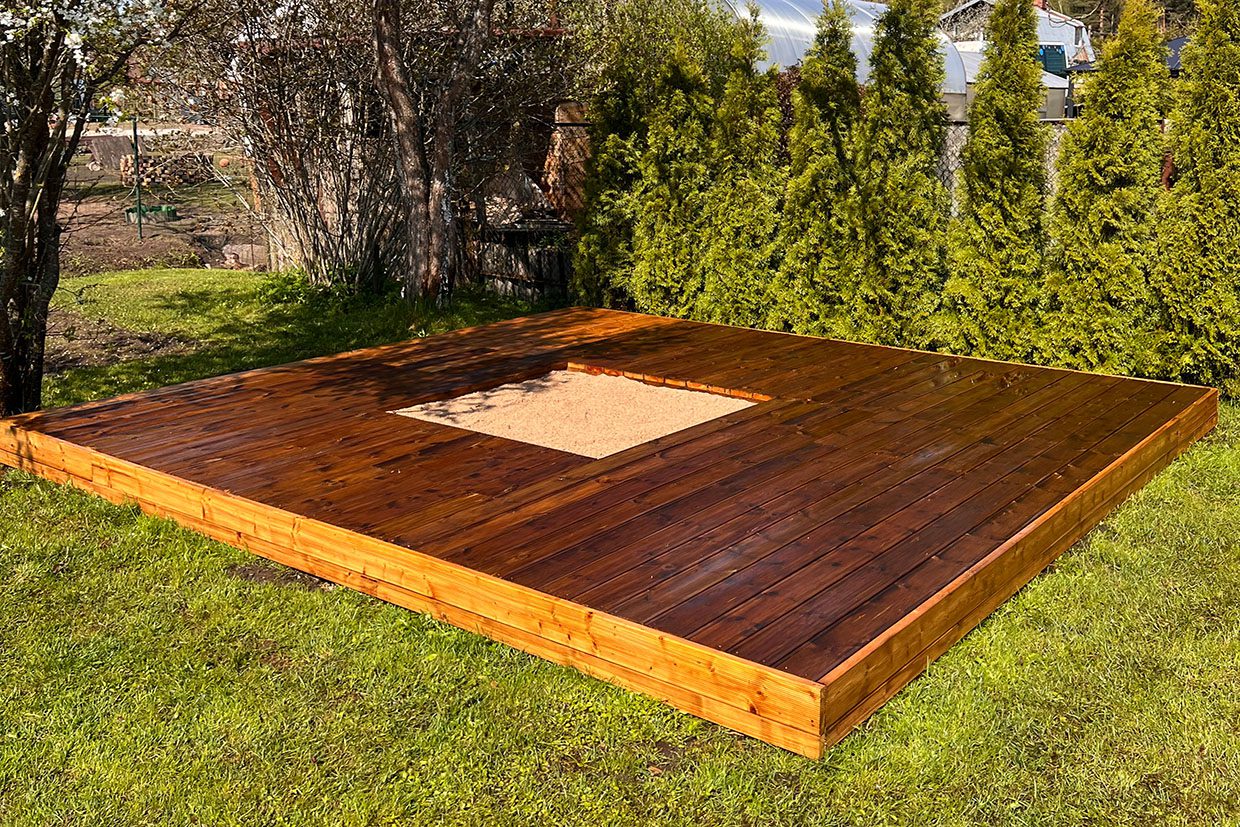
How to Build a Floating Deck: Step-by-Step Instructions
Building a floating deck can enhance your outdoor space significantly. Here’s a straightforward guide to help you create your own floating deck from scratch. Whether you are looking for a simple square layout or a more complex shape, understanding how to build a platform deck correctly is the first step toward a successful DIY project.
Step 1: Plan Your Deck Layout
- Start by marking out one corner of your layout and measuring diagonally across opposing corners to ensure the area is square. A 12-foot by 8-foot rectangle is a manageable size for beginners and minimizes waste.
- Select a level area in your yard that suits your outdoor living needs.
Step 2: Layout Foundation Blocks
- Lay out cement blocks in a 4-foot grid within the measured area and mark their locations with spray paint.
- Using a pick mattock, dig about 6 inches deep at each block location. Remove the earth in layers to keep the ground beneath compact.
Step 3: Set the Blocks
- Clear out loose earth and add a few inches of paver base (a mix of rocks, gravel, and sand) into each hole.
- Place a block on the paver base and pound it with a rubber mallet to compact it. Remove the block, add leveling sand, compact again, and adjust the sand to level the block. Ensure all the blocks are level or slightly lower than the first one set.
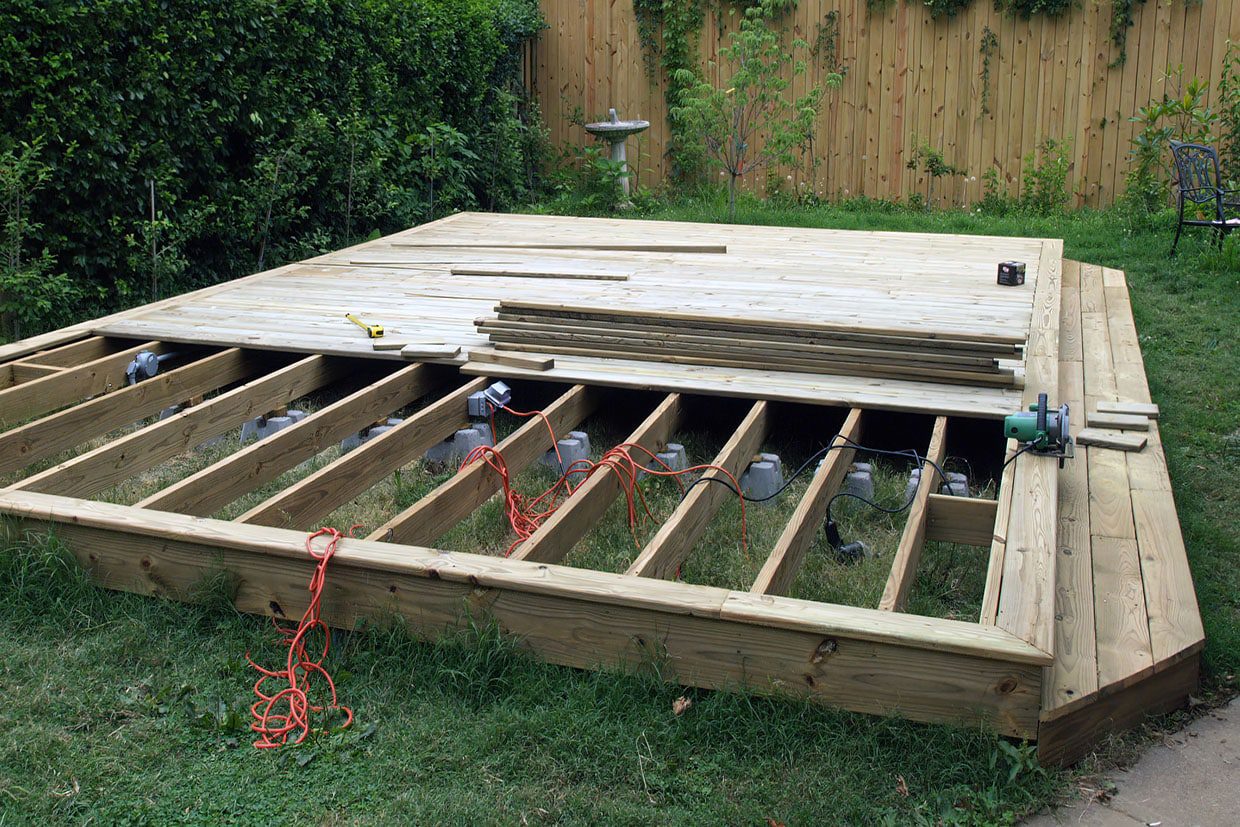
Step 4: Build the Frame
- Assemble an outer frame from cedar or pressure-treated 2×6 lumber using exterior decking screws.
- Install joists every 16 inches using joist hangers for additional support.
Step 5: Level the Frame
- Move the completed frame onto the foundation blocks.
- Use composite shims under the frame on top of the blocks to level it. Adjusting the shim height on one side can add a slight pitch for water drainage.
Step 6: Attach Frame to Blocks
- For extra stability, attach sections of 4x4s to the locations of the foundation blocks using lag screws and landscape adhesive.
Step 7: Install the Decking
- Start laying your chosen decking material, such as a composite from Trex, which offers a good balance of cost and quality. Be sure to stagger the joints of the boards if your design calls for a larger wooden platform deck to maintain structural integrity.
- Use special composite decking screws that do not require pre-drilling. An impact driver can be very helpful here.
Step 8: Finishing Touches
- For a clean look, add cap boards around the perimeter of the deck with mitered corners.
- Before cutting any boards, plan thoroughly to minimize waste and ensure you have enough material to complete the deck.
- Cleaning away stray grass or dirt ensures a neat final appearance around your deck.
Step 9: Add Surroundings
- If your deck sits near a fence, maintain proper clearance for airflow and future maintenance.
- You can also plan for stairs leading down to the yard for convenient access.
Step 10: Enjoy Your Deck
- Add chairs or a sitting area to make the space inviting and functional.
- Check all elements for safety, make any necessary adjustments, and then enjoy your new floating deck!
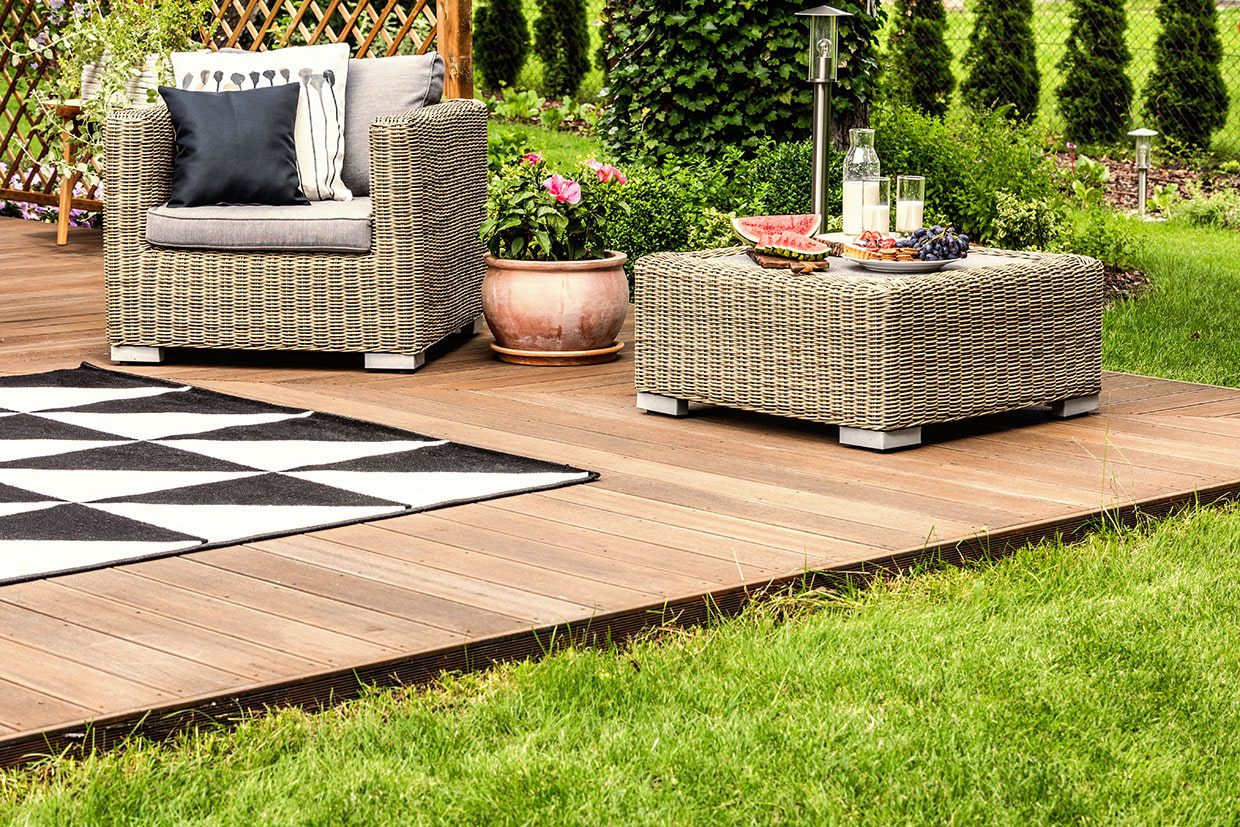
7 Common Challenges and Solutions for Floating Decks
Floating deck construction involves navigating a few common challenges. Here are simple solutions to ensure your deck remains stable and attractive:
1. Shifting Foundations:
Problem: Foundation blocks may shift due to unstable soil or insufficient compaction.
Solution: Ensure a stable base by digging deeper holes and using a compacted layer of gravel and sand before setting the blocks. Regularly check and adjust the blocks to keep the deck level.
2. Uneven Surfaces:
Problem: The deck surface may become uneven over time due to foundation settling or warping boards.
Solution: Use shims under the floating deck framing to level out any uneven spots. Replace any warped boards and ensure all fasteners are tightened.
3. Wood Rot or Decay:
Problem: Wooden components can rot or decay due to moisture and weather exposure.
Solution: Use pressure-treated wood for all parts of the deck, and apply a water-resistant sealant every few years to protect the wood.
4. Loose Railings or Boards:
Problem: Railings or decking boards can become loose, posing safety hazards.
Solution: Regularly inspect and tighten all fasteners. Replace any damaged or rotted boards and secure railings firmly.
5. Water Pooling:
Problem: Water may pool on the deck surface if not properly sloped or drained.
Solution: Ensure the deck is slightly sloped away from your house for proper drainage. Clear any debris that blocks gaps between boards to prevent water from standing.
6. Weed Growth:
Problem: Weeds may grow through gaps or around the edges of the deck.
Solution: Lay landscape fabric under the floating deck and use mulch or gravel around the edges to suppress weed growth.
Popular Floating Deck Area Design for Your Yard
Floating decks are versatile additions to any outdoor space. They can be tailored to fit various functions and designs, enhancing both the utility and aesthetics of your yard. Here are some popular ways to incorporate floating decks into your outdoor living areas:
- Outdoor dining areas
- Fire pit lounge
- Garden retreat
- Pool or spa surround
- Outdoor yoga studio
- Children’s play area
- Outdoor workspace
- Entertainment hub
- Viewing deck
- Art studio
The nice thing about a floating deck is that there are no limitations to where you can place it as long as it is within your property limits. If you’re considering a floating deck and not sure where it would work best in your yard, reach out to the experts at Olympic Decks. We’d be thrilled to come out to assess your space and make suggestions!
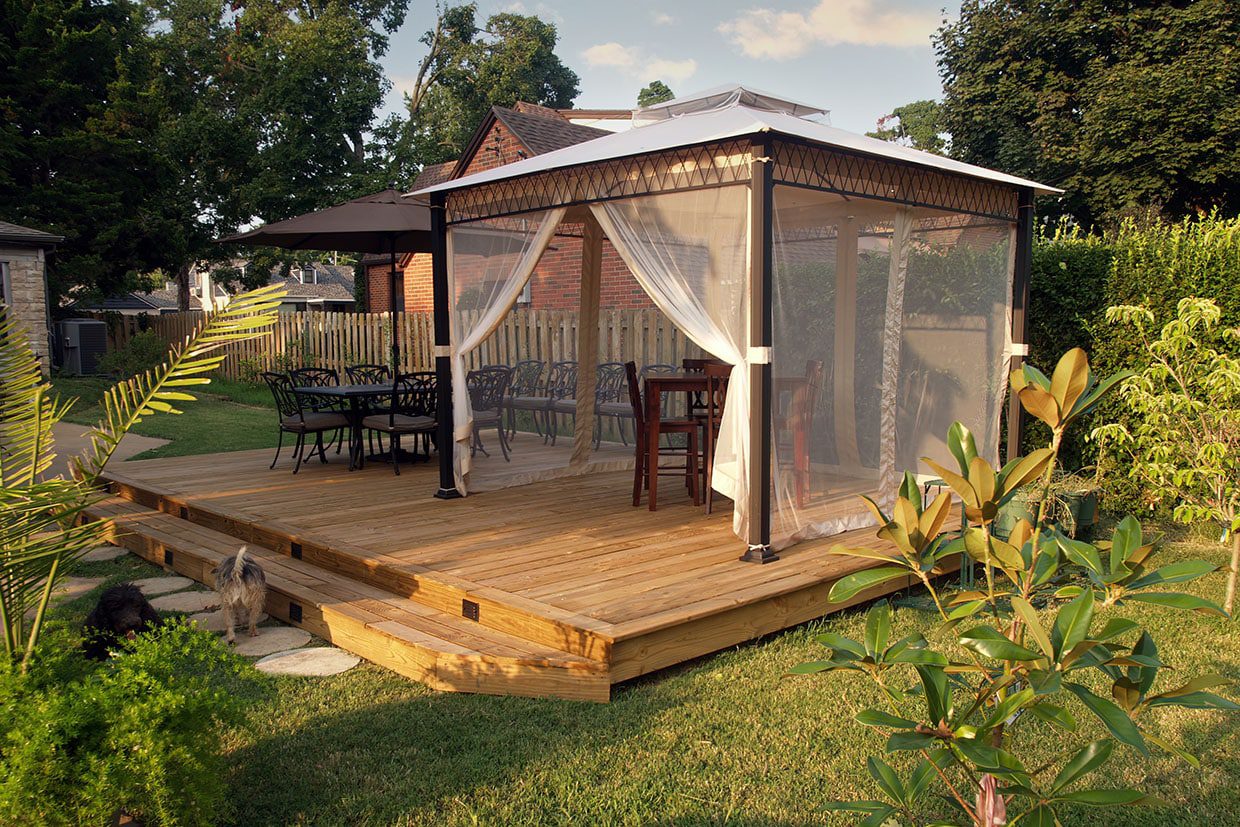
Enjoy the Freedom of a Floating Deck Built by Olympic Decks
Building a floating deck is a fantastic way to enhance your outdoor living space. From a cozy fire pit lounge to a fun outdoor dining area in your garden, it’s a fun and versatile addition to any yard. With the guidance provided in this guide by Olympic Decks, you now have the knowledge and steps necessary to embark on building your own DIY floating deck.
If you encounter challenges along the way or simply prefer professional help to ensure your deck is built perfectly, don’t hesitate to contact Olympic Decks. Our team is ready to assist you in bringing your deck dreams to reality, ensuring a smooth process and excellent results every time!

Olympic Decks is your Seattle area Deck Company, We specialize in all your Decking needs – new deck installation, deck resurfacing, louvered roof and cedar wood fence installation.


